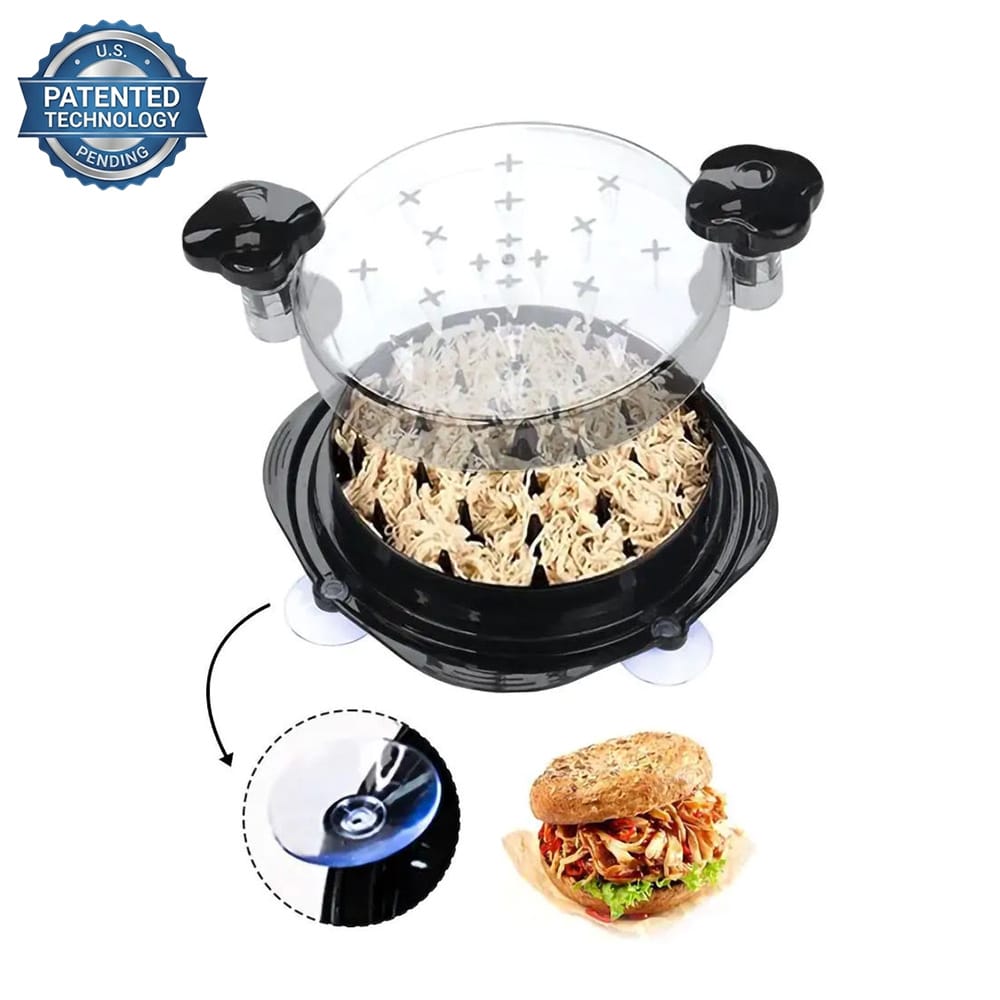
Custom Food Preparation Tools and Kitchen Utensils Manufacturer

Yiwu vs. Shenzhen vs. Guangzhou: Where to Source Plastic Molding in China

Yiwu OEM Plastic Factory vs. Guangzhou vs. Shenzhen: Where to Source in 2026However, assuming these cities are interchangeable is a costly mistake. Each region has evolved a distinct manufacturing DNA. Choosing the right city in 2026 depends entirely on your product category, scale, target margins, and custom OEM/ODM requirements—especially when partnering with specialized direct manufacturing factories like DAQIDA in Yiwu.
Continue reading
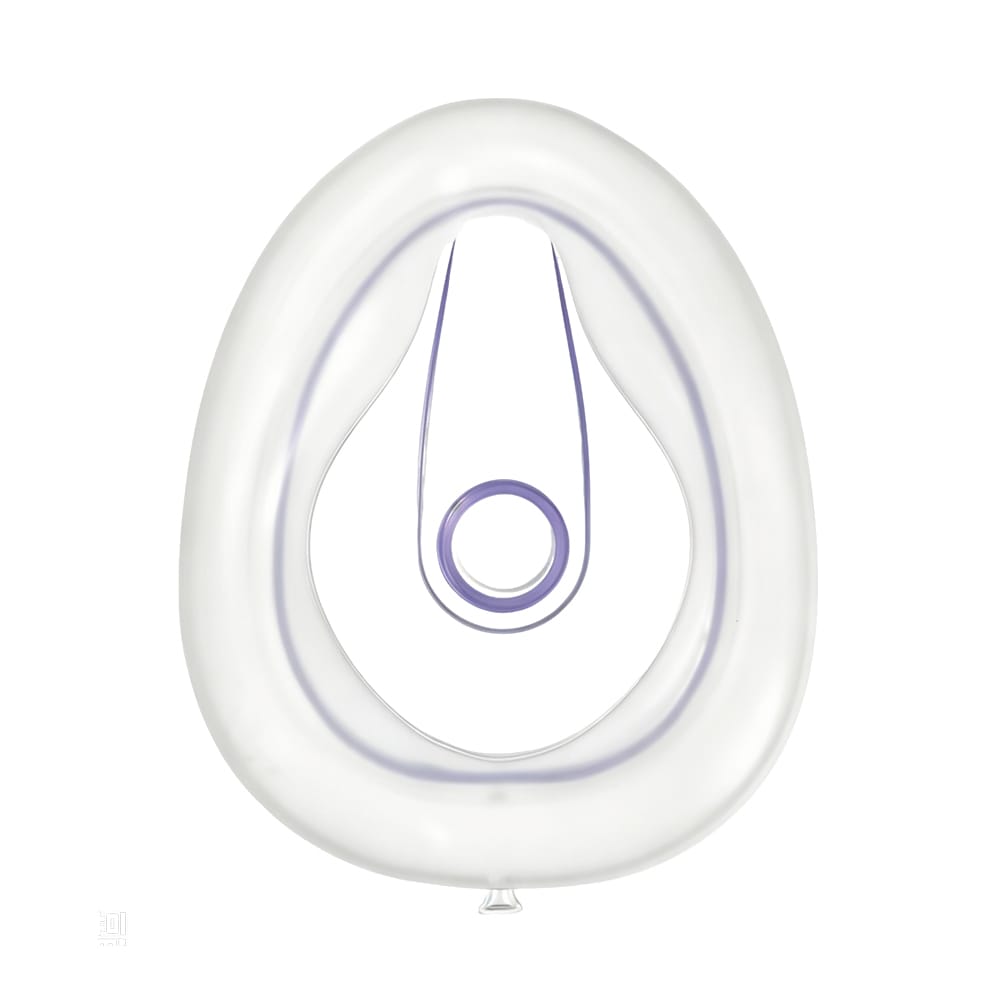
CPR Mask small size 007

PP vs. ABS vs. Polycarbonate: Choosing the Right Polymer for Your Custom Plastic Part

Selecting the right thermoplastic for a custom injection‑molded part is rarely a straightforward decision. Three materials dominate the conversation—Polypropylene (PP), Acrylonitrile Butadiene Styrene (ABS), and Polycarbonate (PC). Each offers a distinct balance of mechanical properties, processability, and cost.This guide cuts through the marketing noise and delivers a side‑by‑side technical comparison to help engineers, procurement managers, and product designers make a confident, application‑driven choice.
Continue reading
Heimlich Anti-Choking Device1

How to Choose the Best Anti-Choking Device for Restaurants and Schools: A 2026 Buyer’s Guide

Choking incidents happen without warning, turning a routine lunch in a crowded restaurant or a bustling school cafeteria into a high-stakes emergency within seconds. Traditional first-aid protocols like the Heimlich maneuver remain the undisputed gold standard, but they are not foolproof. When dealing with young children whose airways are still developing, elderly patrons with weakened physical frames, or individuals with limited mobility, manual abdominal thrusts sometimes fall short—or risk causing secondary physical injuries if applied in sheer panic.
Continue reading
DAQIDA Factory Exterior Gate and Manufacturing Facility

Working Directly with a Plastic Mold Maker and Manufacturer: Why One-Stop Custom Production Saves Time and Cost

In the new product development (NPD) process, many buyers default to splitting tooling and injection molding across separate suppliers. The logic seems sound: specialized vendors for specialized tasks. In practice, however, this fragmentation often creates a cascade of friction that erodes margins and delays launches. A core problem emerges when the mold maker points at the molder's process parameters, and the molder blames the mold design. The buyer gets stuck in the middle, paying for rounds of communication, shipping samples back and forth, and lost production time.
Continue reading
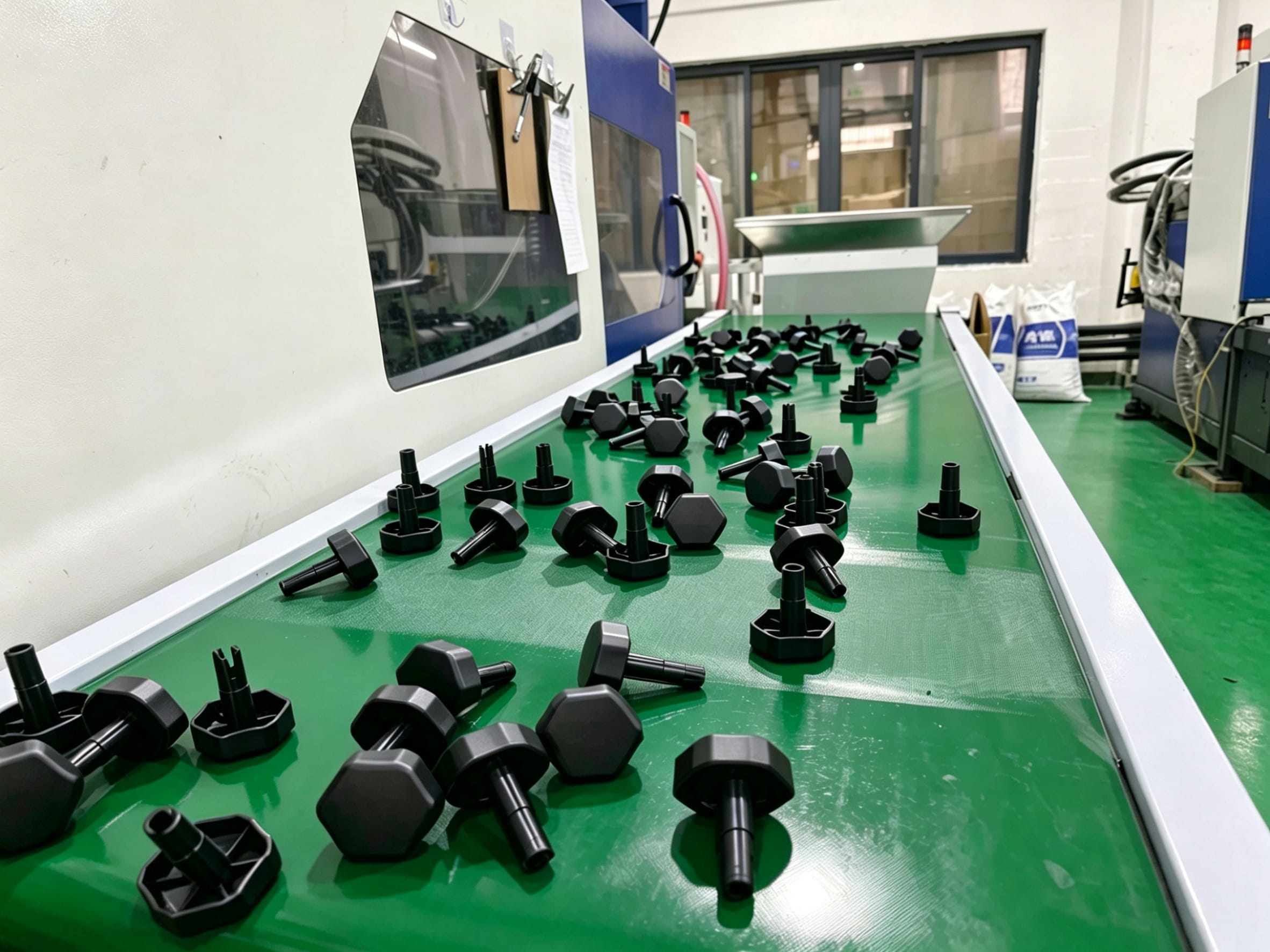
Strict quality control inspection of precision injection-molded plastic part

How to Choose the Right Plastic Mold Maker: 7 Critical Factors Every B2B Buyer Must Know

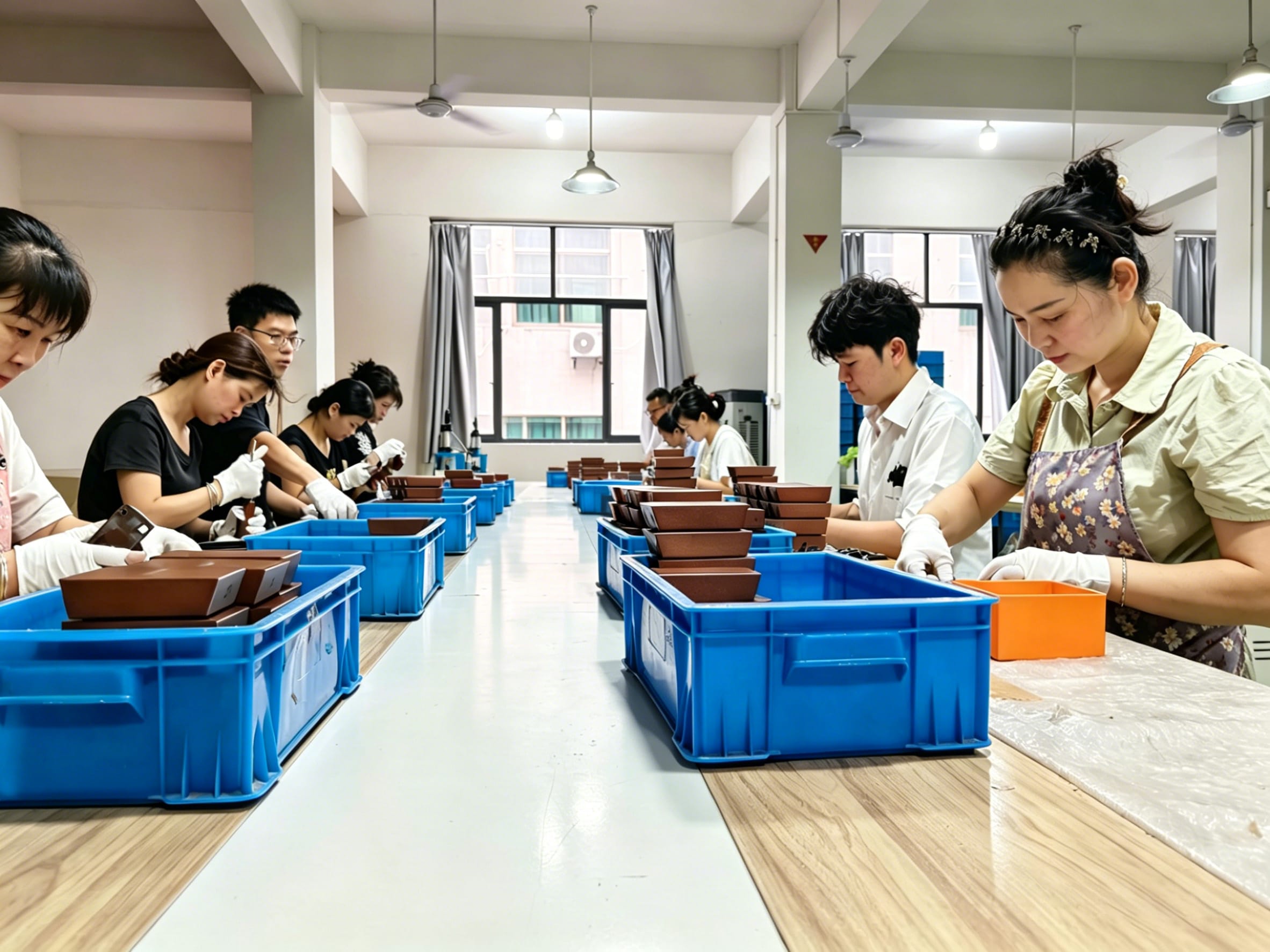
In plastic injection molding, it is not unusual to receive quotations that differ by a factor of three. More often than not, this gap does not reflect gouging—it reflects real differences in material selection, equipment, process control, and after-sales service,or B2B buyers, the real cost of choosing the wrong mold supplier is rarely the upfront tooling expense. It is the hidden drain: frequent machine stoppages during mass production, slow yield ramp-ups, endless rework, and modification fees that eat into your margins over the life of the program.
Continue reading
Rolling knife sharpener manufacturing, magnetic base assembly, and quality inspection

Sued by a European Brand? How We Forced Our R&D Team to Innovate Around Patents—and Saved Our Bestseller

What is a cross-border seller's greatest fear? It is not port congestion or currency fluctuation; it is discovering that your cargo is out on the ocean while a court summons has already arrived. Since 2024, design patent infringement cases handled by law firms such as TME in cross-border TRO actions have accounted for over 90%, and independent store sellers face a defeat rate as high as 76%. More challenging still, these legal firms no longer cast a wide net; instead, they precisely target products featuring "similar overall visual impressions and identical key design features"—meaning that even without copying a trademark, matching an appearance profile risks freezing account funds.
Continue reading
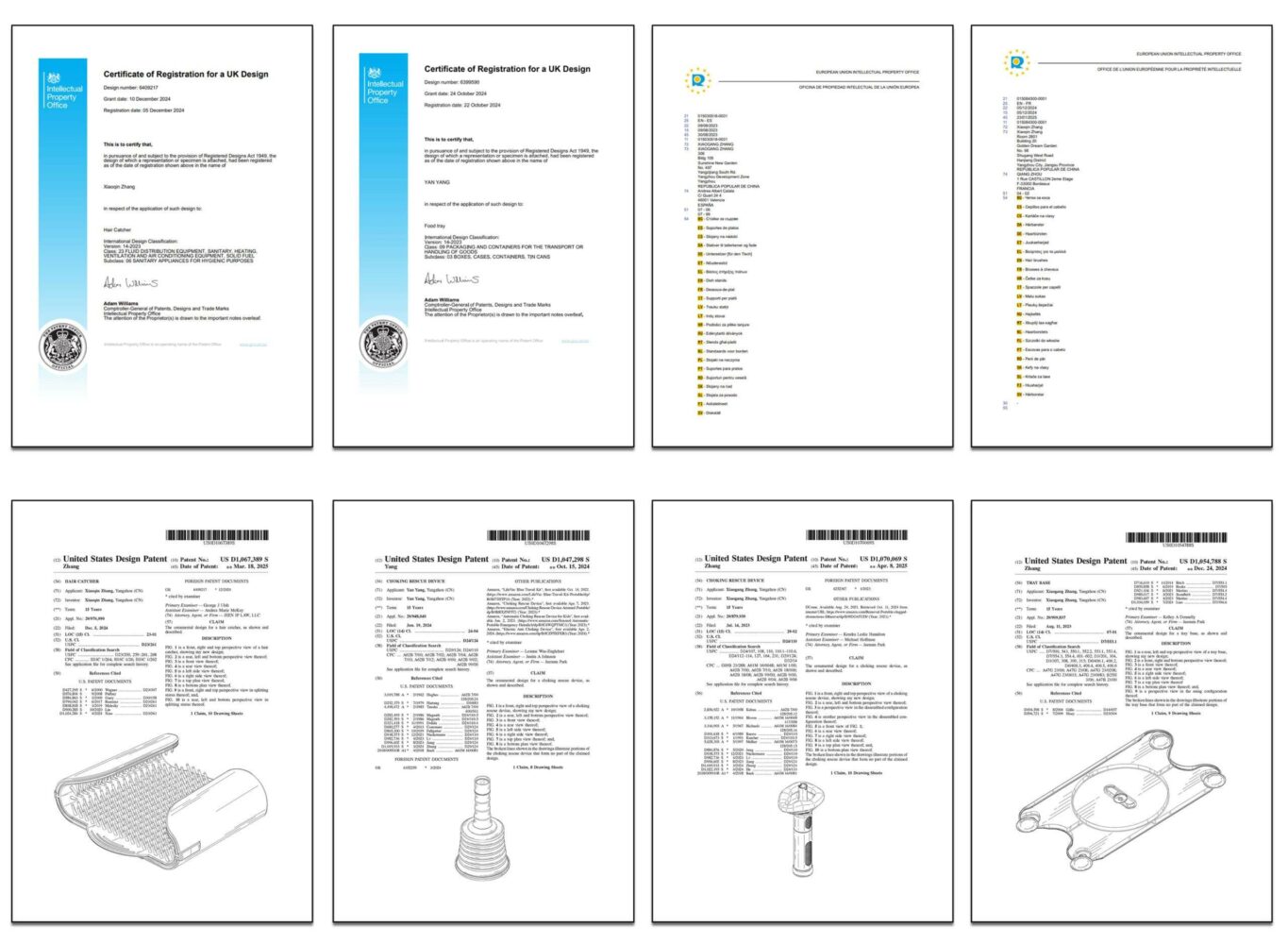
DAQIDA Injection Molding Factory Qualification Certificates and Manufacturing Capabilities

Lessons from Over 200 Scrapped Molds: Why Do Your Plastic Products Shrink and Warp in Mass Production?

In connector design and plastic molding, shrinkage, flash, warping, and flow lines are familiar obstacles. Having participated in modifying over 200 problematic molds, I have witnessed countless products look pristine during sampling trials only to fail once mass production begins—plagued by shrinkage, warping, and out-of-tolerance dimensions. These recurring failures point to a core issue: plastic shrinkage and crystallization behavior are severely underestimated during mass production environments.
Continue reading
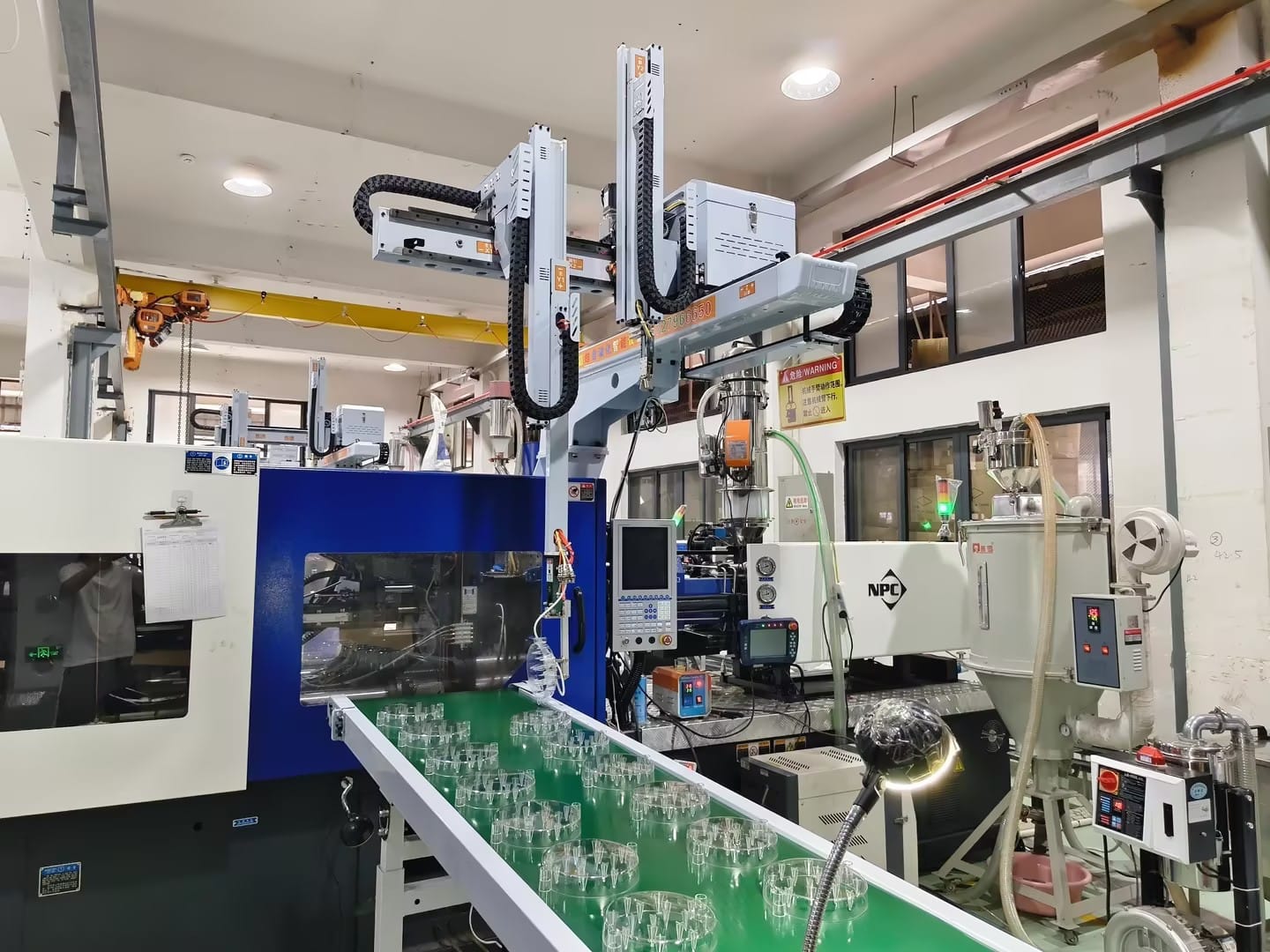
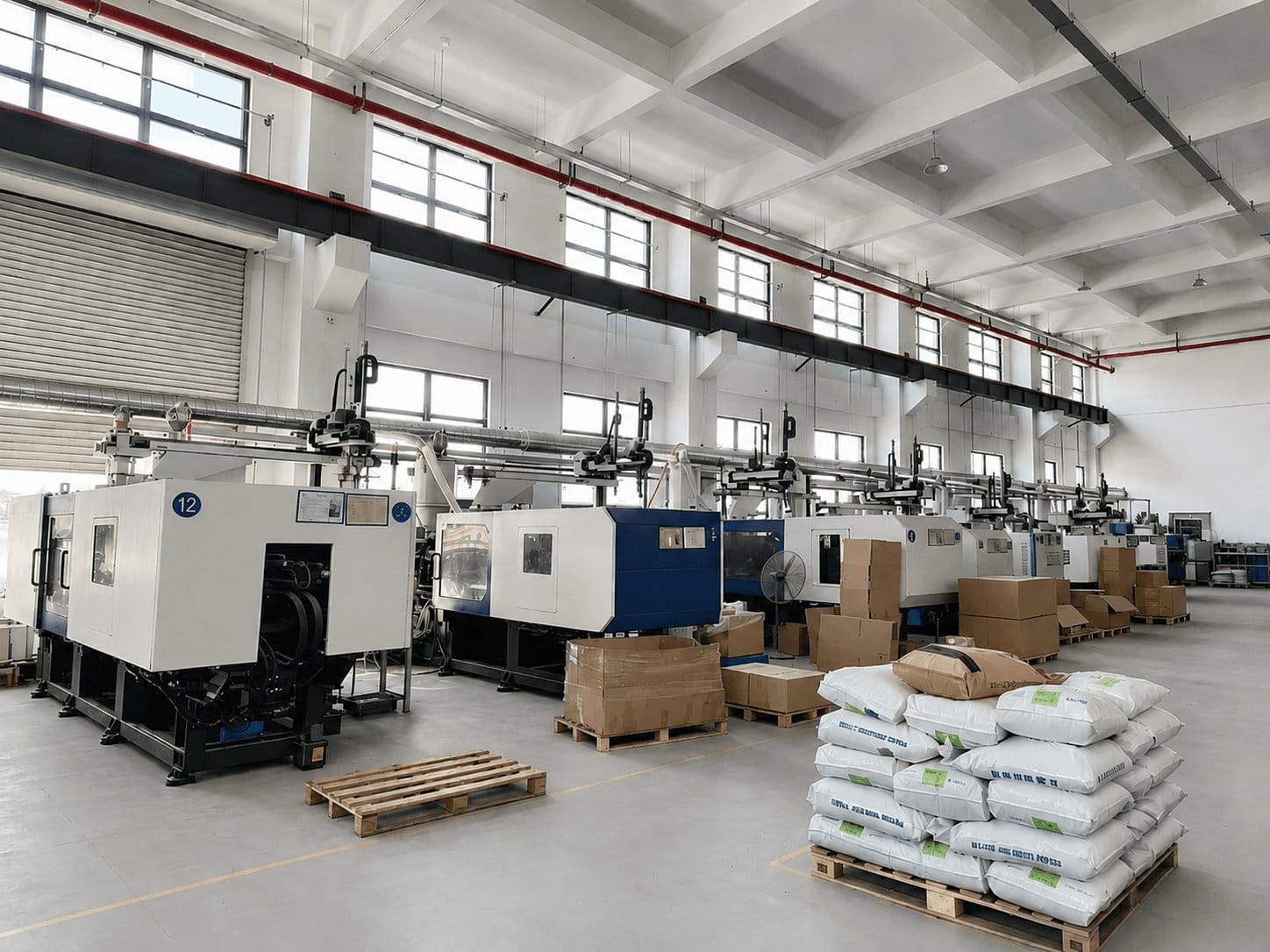
Precision Plastic Injection Molding Machine in Factory Workshop

OEM vs. ODM Procurement Guide: How to Rapidly Transform Your Product Concept into Mass-Produced Plastic Parts

This comprehensive guide explores the strategic differences between OEM and ODM business models in plastic product development, comparing key dimensions such as design ownership, upfront costs, lead times, and MOQs. It details the five critical stages of rapid production scale-up—from DFM and mold development to pilot validation and mass commercialization—while providing a practical procurement checklist and factory qualification insights to help professionals efficiently bring custom plastic products to market.
Continue reading
DAQIDA Company Official Qualifications and Quality Certificates

Mitigating Procurement Risks in Plastic Products through ISO 9001 and Rigorous Quality Inspection

This article outlines a technical strategy for mitigating risks in plastic product procurement, focusing on ISO 9001:2015 as a foundational quality framework to prevent defects like dimensional non-conformance and material degradation. It breaks down a multi-stage inspection protocol spanning raw material quality control, in-process production monitoring, and final acceptance testing. Additionally, it highlights the importance of robust documentation, lot traceability, and corrective action procedures in safeguarding supply chain integrity and operational success.
Continue reading
Professional rolling knife sharpener set with magnetic angle base and diamond rolling disc

How to Keep Kitchen Knives Razor-Sharp: The Evolution of Modern Knife Sharpening Technology

This article explores the mechanical causes of kitchen knife dulling and examines how modern dual-axis rolling sharpeners revolutionize blade maintenance through magnetic angle control and dual-abrasive technology. It highlights critical manufacturing considerations such as injection molding tolerances, magnetic retention, and DFM optimization. Furthermore, it showcases DAQIDA's comprehensive OEM/ODM manufacturing capabilities, leveraging advanced plastic injection molding and ISO 9001 quality standards to help global brands scale high-performance kitchen hardware lines efficiently.
Continue reading