

For anyone who loves to cook, nothing is more frustrating than a dull kitchen knife. A blunt blade not only ruins the cooking experience by crushing ingredients instead of slicing them, but it also increases the risk of slipping and injury due to the extra force required.
When a knife loses its edge, the immediate question for most people is: How do I get my knife sharp again quickly and safely?
Traditionally, home cooks relied on flat whetstones, while restaurants used manual pull-through sharpeners. However, these methods either require professional sharpening skills or risk damaging the blade angle. Today, a new wave of engineering innovation—specifically the dual-axis rolling knife sharpener—is transforming how both households and brands approach blade maintenance.
This article explores the mechanics of blade dulling, the shift in modern sharpening technology, and why precision manufacturing matters for this high-demand kitchen gadget.
To understand how to fix a dull knife, we must first look at what happens to the steel edge over time:
While traditional whetstones can restore an edge, they require years of practice to master hand steadiness. This friction between consumer demand for fast, sharp results and the lack of sharpening skills created a massive market gap for mechanically engineered sharpeners.
To solve the skill gap, modern kitchen hardware engineering introduced the rolling sharpener system. Here is how modern technology compares to legacy solutions:
| Performance Factor | Traditional Whetstone | Pull-Through Sharpener | Dual-Axis Rolling Sharpener |
|---|---|---|---|
| Skill Level Required | Expert (High manual precision) | Beginner (Low) | Beginner (Low) |
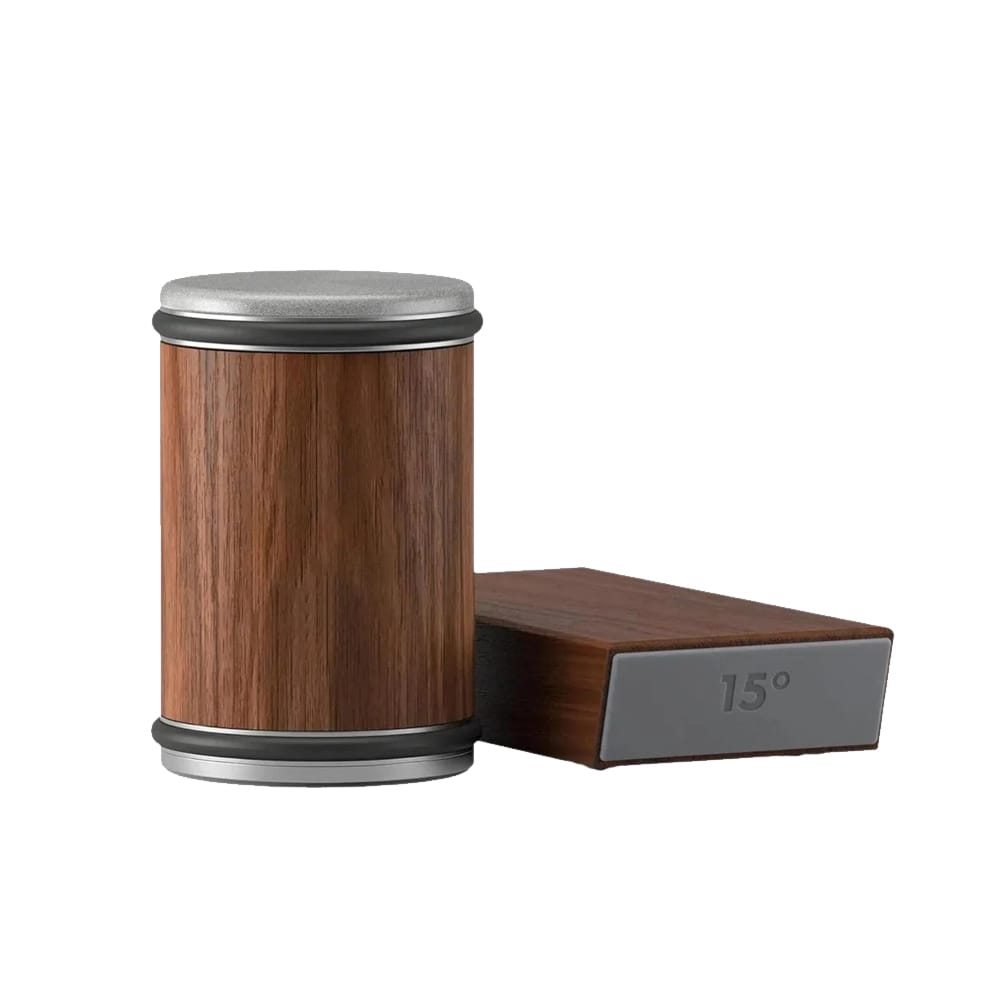
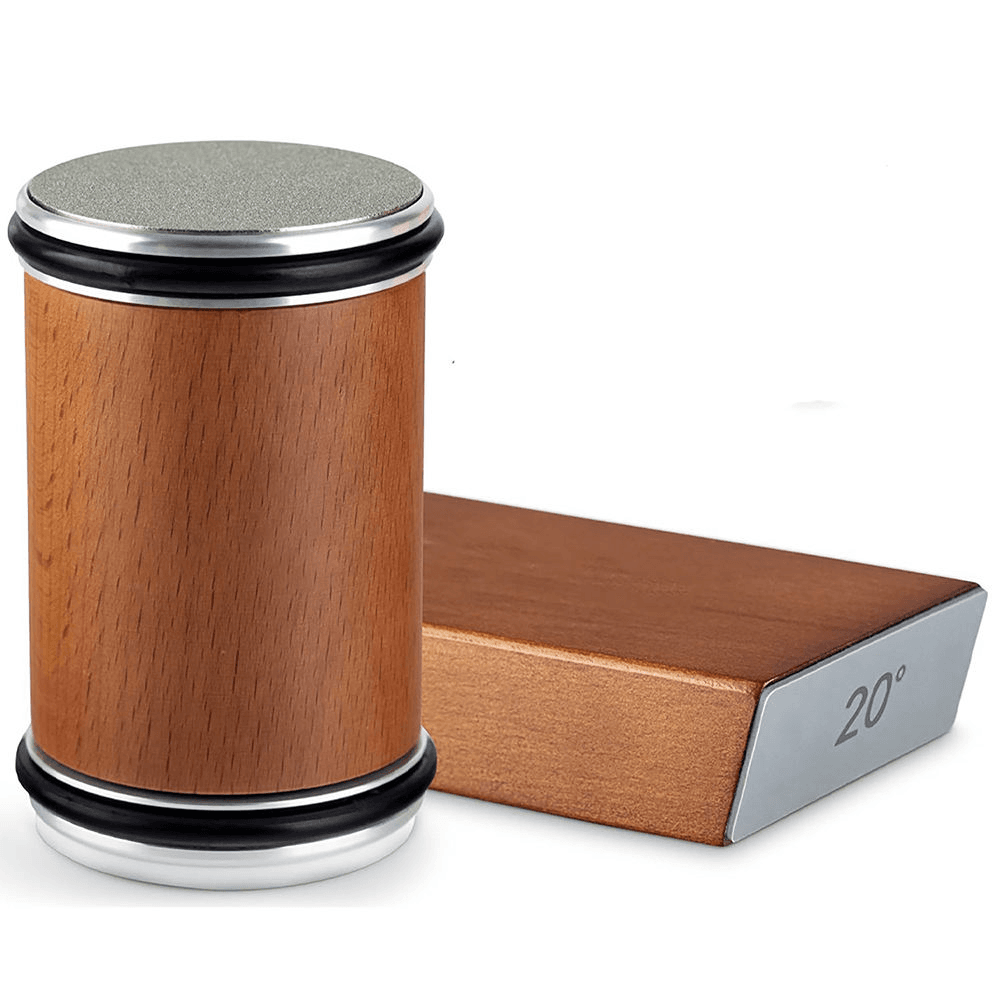
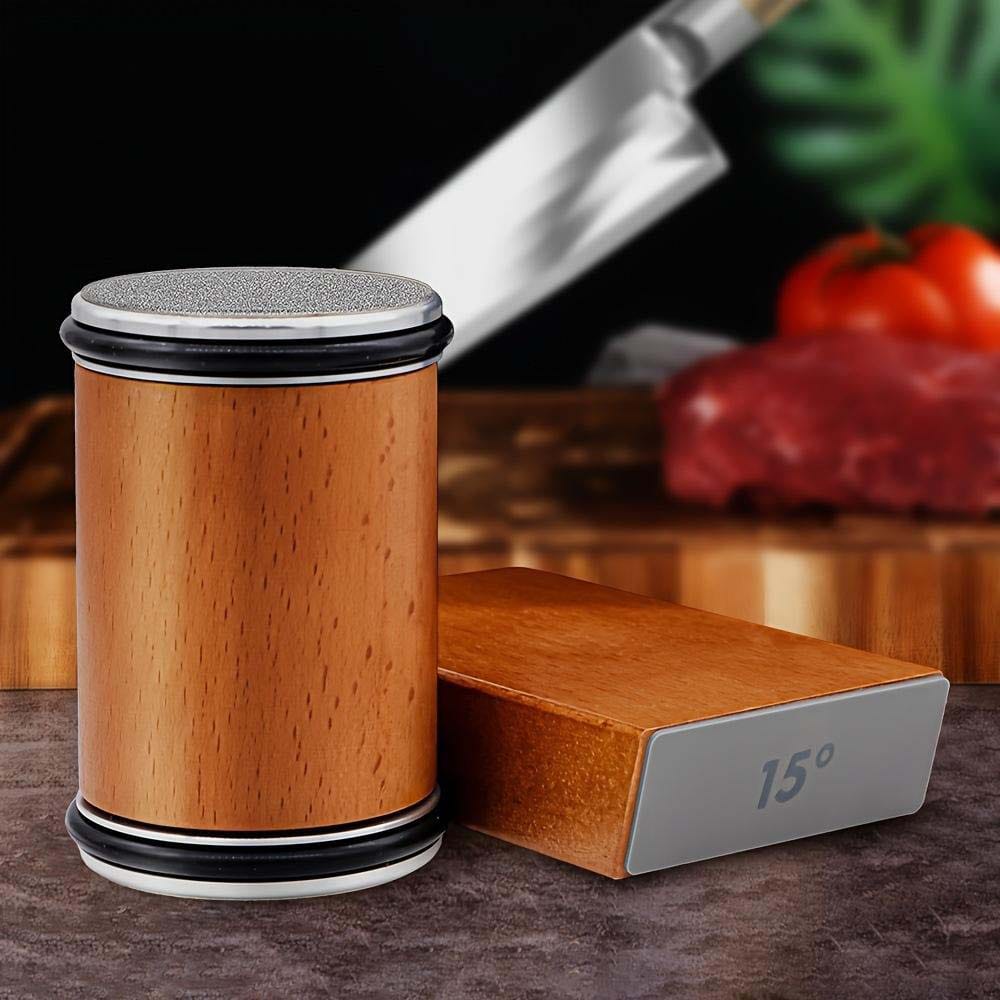
| Angle Consistency | Dependent on hand steadiness | Fixed, but often aggressive on steel | Mechanically locked (Exact 15° / 20°) |
| Blade Longevity | High (if done right) | Low (can tear/shave too much steel) | High (gentle, uniform rolling friction) |
| Time & Convenience | 15–20 mins (requires water soaking) | 1 minute (high friction) | 2–3 minutes (clean & effortless) |
The secret behind a rolling sharpener lies in combining a magnetic holding block with a rolling abrasive cylinder.
For brand owners, Amazon FBA sellers, and B2B distributors looking to source or customize kitchen gadgets, manufacturing a reliable rolling sharpener requires strict engineering standards:
The evolution from traditional whetstones to precision rolling sharpeners proves that even centuries-old daily tasks can be revolutionized by smart industrial design. For consumers, it means effortless sharpness; for B2B buyers and brand owners, it represents a high-retention, high-demand product category with massive market potential.
🧬 Related Medical & Precision Component Resources
Looking to explore more of our manufacturing capabilities? Discover how DAQIDA applies rigorous quality control and precision injection molding to specialized components:
• Browse our custom DAQIDA Precision Parts Catalog ➔
Whether you are launching a new kitchenware brand or expanding your product catalog, DAQIDA offers comprehensive OEM/ODM manufacturing solutions—from custom mold creation and DFM analysis to bulk production and private labeling. Send us your specifications or 3D drawings today to receive a comprehensive engineering review and competitive bulk quotation.
No account yet?
Create an Account