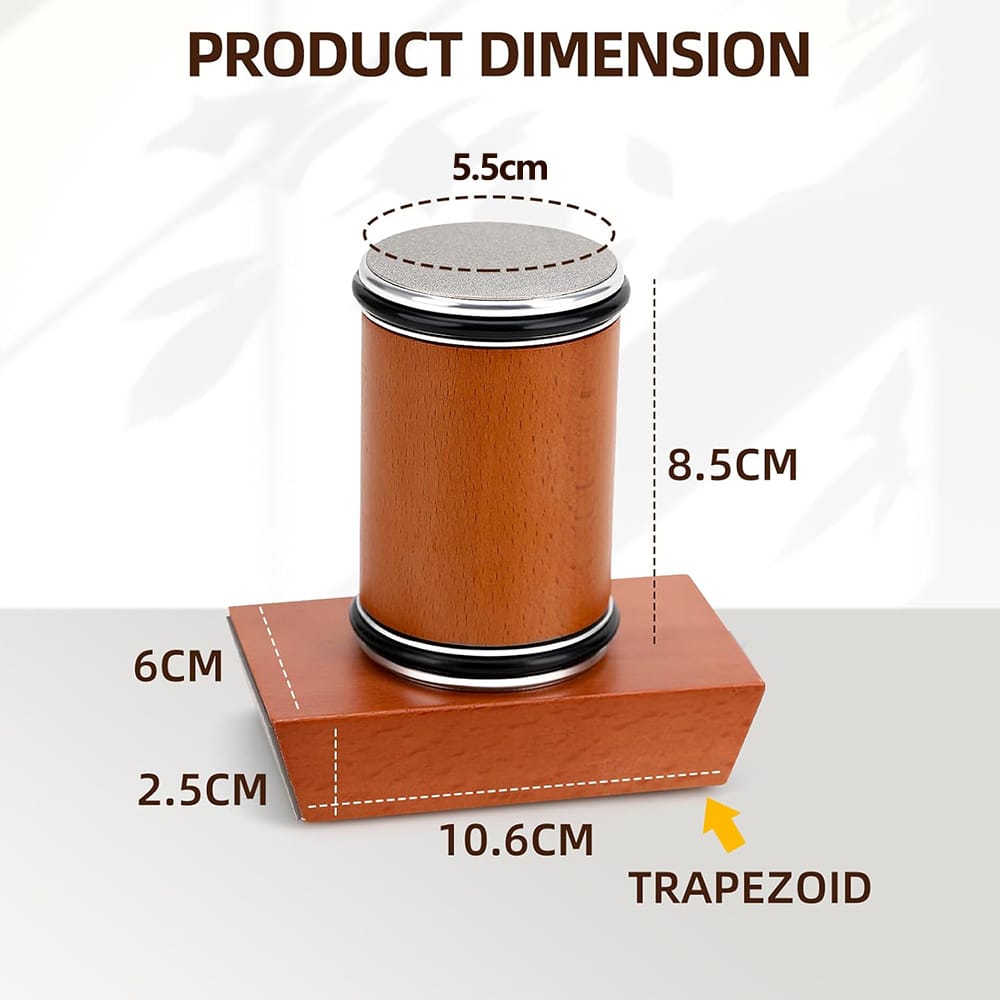
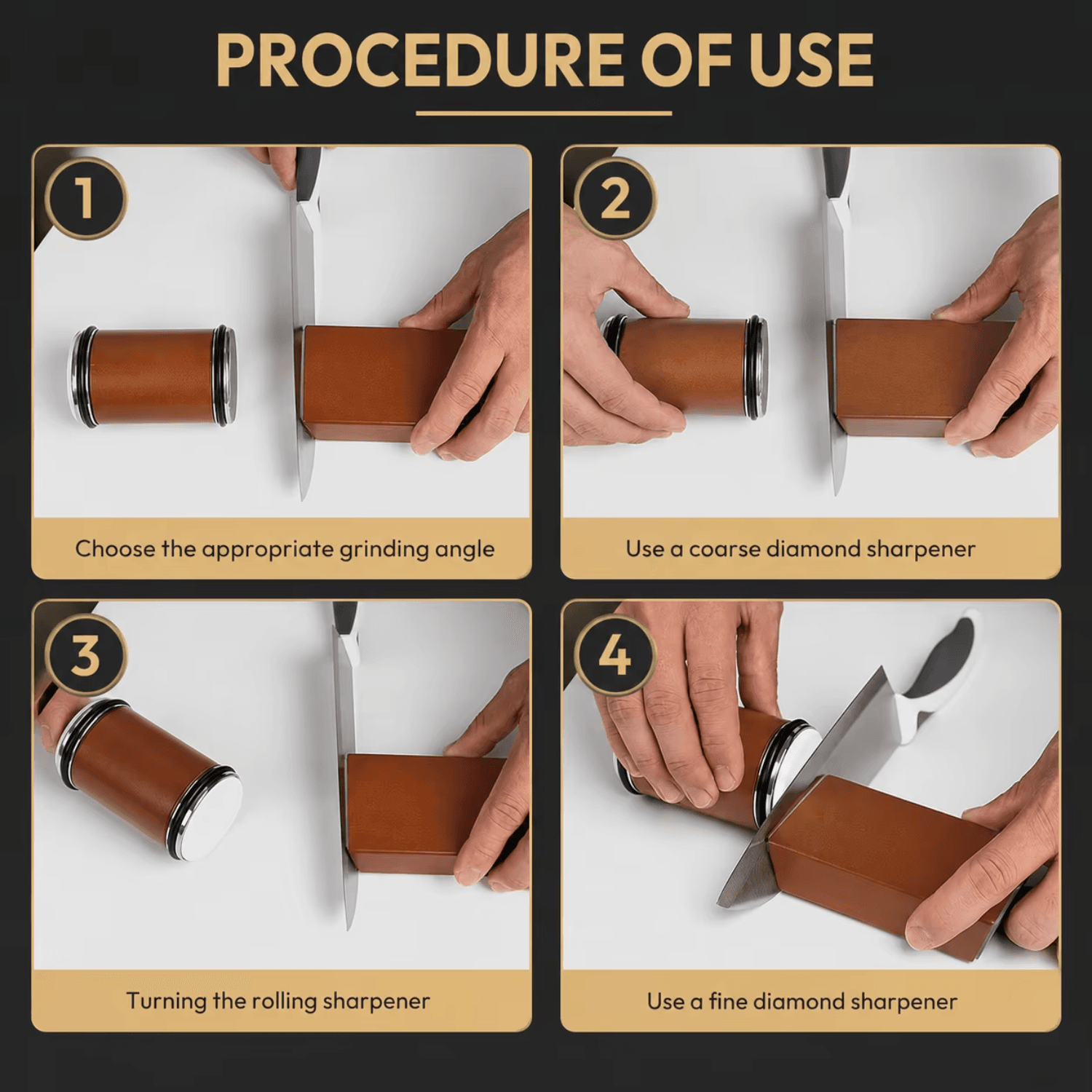
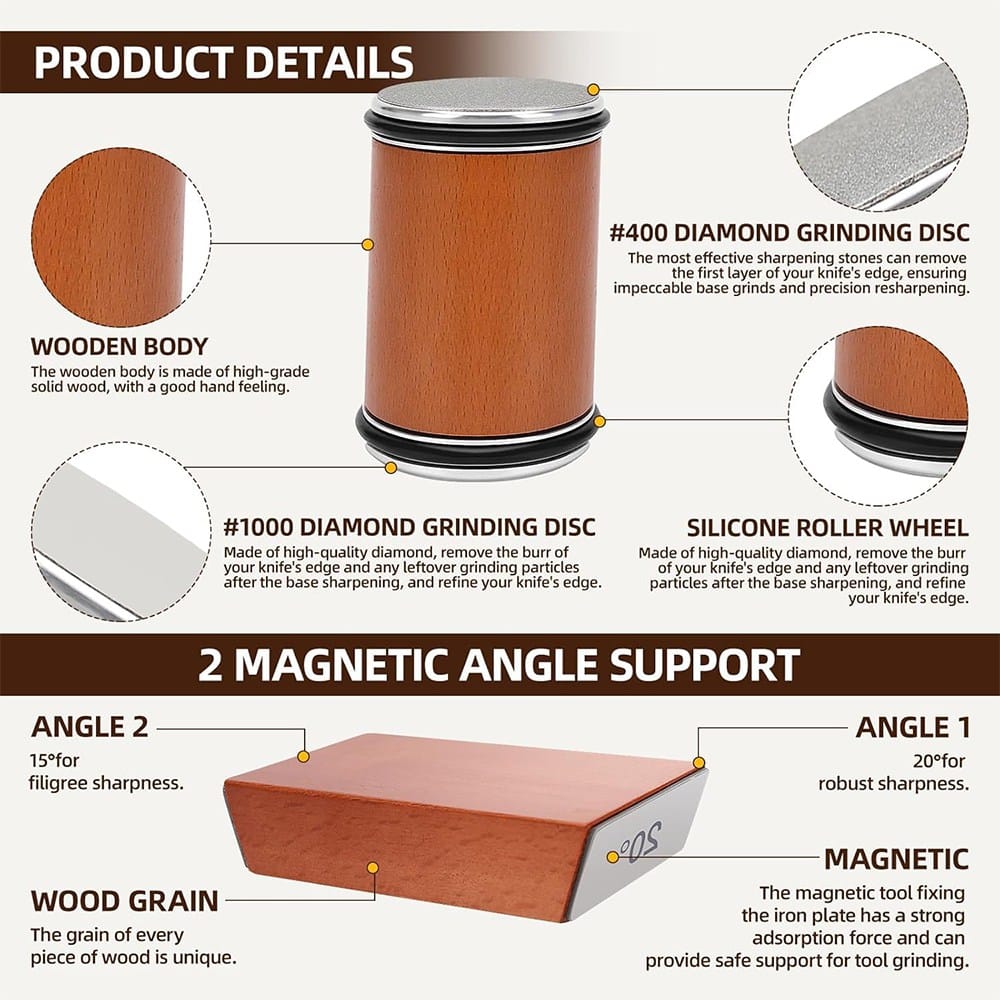
Rolling Knife Sharpener - Stainless Steel Body (Factory Direct) use photo 0017

Why the Rolling Knife Sharpening Technique Is Replacing Electric Grinders

Electric knife sharpeners have been the default "easy" answer for years. Push a button, pull the blade through, done. But a growing number of cooks — and knife makers — are ditching them. The reason isn't nostalgia. It's metallurgy. Electric sharpeners are essentially miniature grinding machines. They pull your knife through abrasive slots spinning at high speed, grinding away metal to create a new edge. The problem is that they remove too much metal, too quickly, and at the wrong angles. This thins the blade, weakens edge integrity, and generates enough heat to alter the steel's temper — essentially making an expensive knife soft and unable to hold a sharp edge for long.
Continue reading
Rolling Knife Sharpener (Stainless Steel Ends)16

The Best Angle to Sharpen Knives: A Practical Guide for Every Blade Type

If you only remember one number: 20 degrees per side is the safe default for most Western kitchen knives and general-purpose blades. It offers a durable edge that resists chipping and holds up to regular board contact. But 20° is not universal. A Japanese gyuto at 20° is a waste of good steel. A meat cleaver at 15° will chip the first time it meets bone. The “best” angle depends on three factors: what the knife is made of, what you cut with it, and how you treat it. This guide breaks down the specific angles for every common knife type, explains the sharpness-versus-durability trade-off in plain terms, and clears up the measurement confusion that trips up most beginners.
Continue reading
Rolling Knife Sharpener - Stainless Steel Body (Factory Direct) 001

Knife Sharpening Angle Guide — From Dull to Mirror Finish: Can Beginners Master Precision Angles?

Every knife sharpening guide begins with the same assumption: that the reader knows what angle to use and can hold it. The first part is easy — consult a chart. The second part is where most beginners quietly give up Angle inconsistency is the single most common reason home sharpeners produce poor results. The good news is that the problem is not one of talent. It is one of method. With the right tools and a clear understanding of what “precision” actually requires, a beginner can go from a dull, wedging blade to a mirror-polished edge far faster than conventional wisdom suggests.
Continue reading
Choking Rescue Device Set 1002

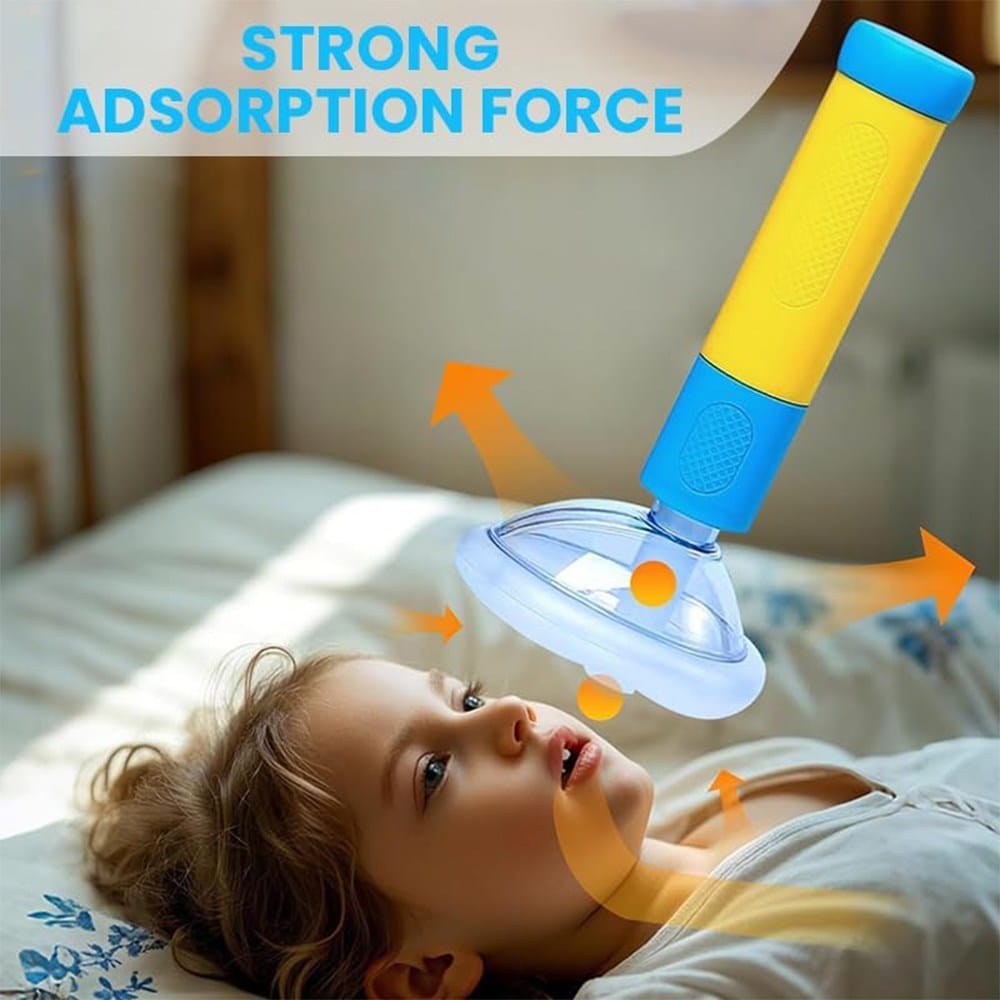
Choking First Aid: When to Use Back Blows vs. a Choking Rescue Device

Choking is one of those emergencies that doesn't give you time to think. One second someone is eating, the next they cannot breathe, speak, or cough. The technical term is foreign-body airway obstruction—something is physically blocking the pipe that brings air in and out. If the obstruction isn't cleared, the heart eventually stops from oxygen deprivation.
Continue reading