Rolling knife sharpener manufacturing, magnetic base assembly, and quality inspection

Sued by a European Brand? How We Forced Our R&D Team to Innovate Around Patents—and Saved Our Bestseller

What is a cross-border seller's greatest fear? It is not port congestion or currency fluctuation; it is discovering that your cargo is out on the ocean while a court summons has already arrived. Since 2024, design patent infringement cases handled by law firms such as TME in cross-border TRO actions have accounted for over 90%, and independent store sellers face a defeat rate as high as 76%. More challenging still, these legal firms no longer cast a wide net; instead, they precisely target products featuring "similar overall visual impressions and identical key design features"—meaning that even without copying a trademark, matching an appearance profile risks freezing account funds.
Continue reading
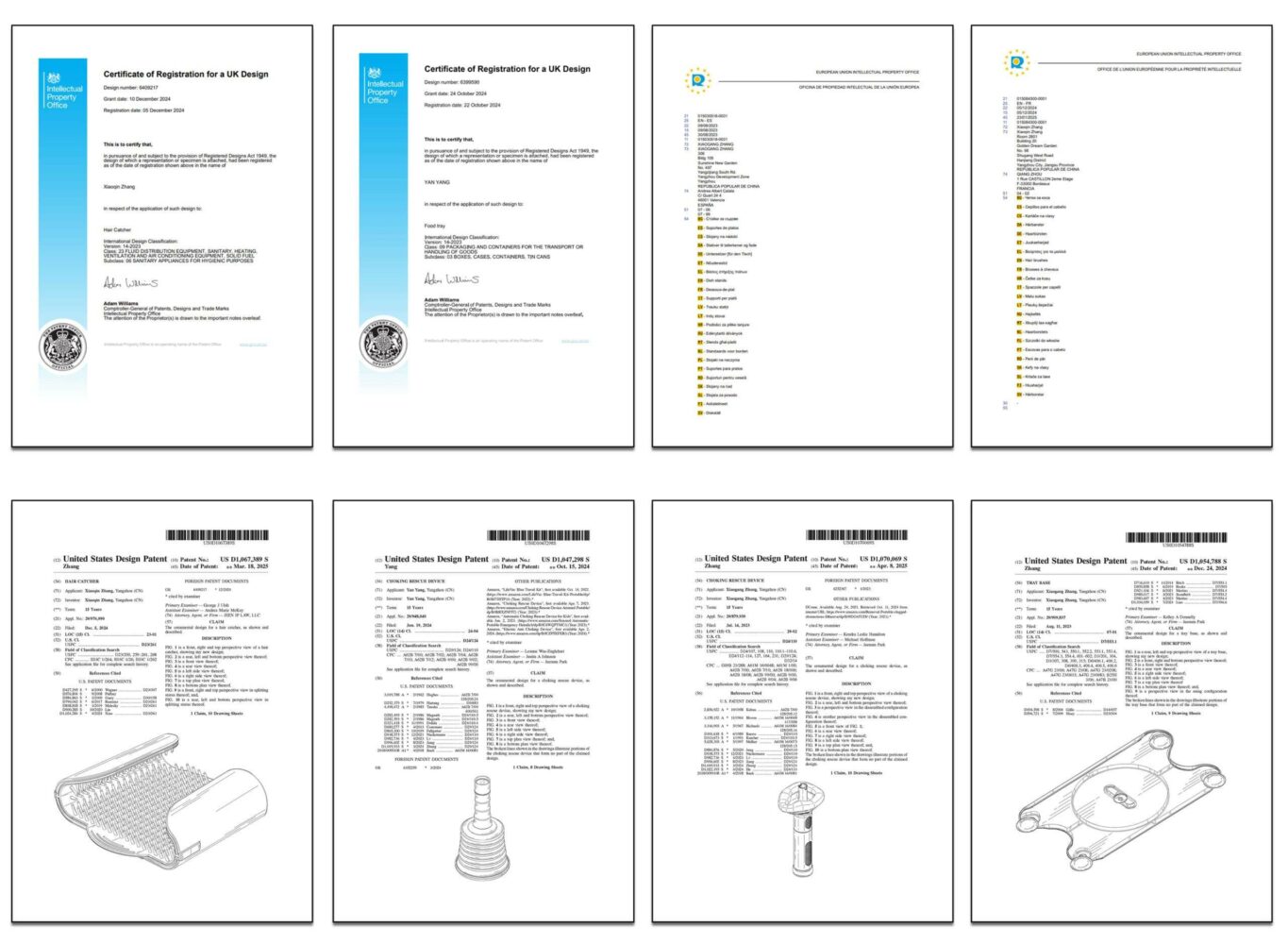
DAQIDA Injection Molding Factory Qualification Certificates and Manufacturing Capabilities

Lessons from Over 200 Scrapped Molds: Why Do Your Plastic Products Shrink and Warp in Mass Production?

In connector design and plastic molding, shrinkage, flash, warping, and flow lines are familiar obstacles. Having participated in modifying over 200 problematic molds, I have witnessed countless products look pristine during sampling trials only to fail once mass production begins—plagued by shrinkage, warping, and out-of-tolerance dimensions. These recurring failures point to a core issue: plastic shrinkage and crystallization behavior are severely underestimated during mass production environments.
Continue reading
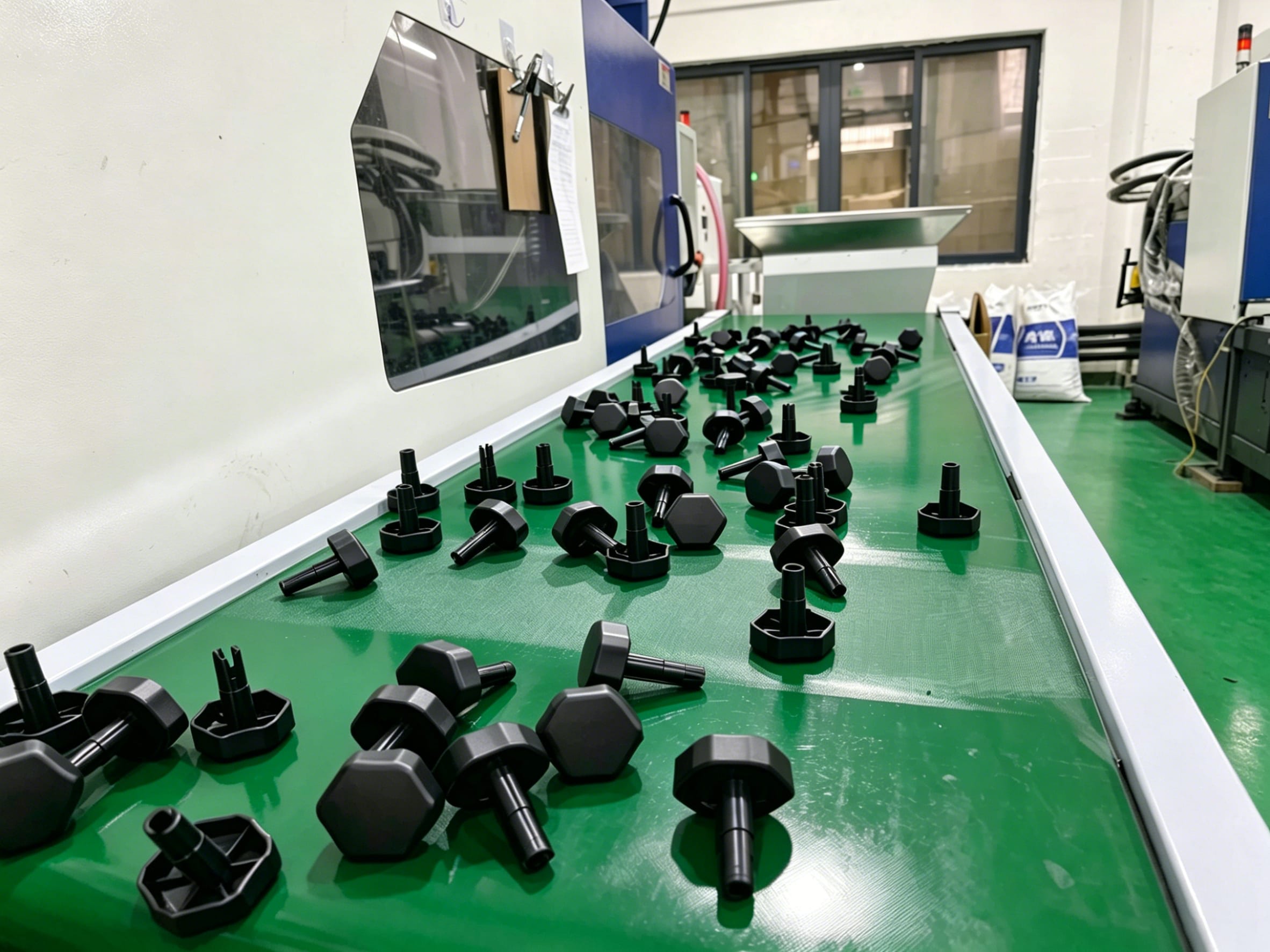
Precision Plastic Injection Molding Machine in Factory Workshop

OEM vs. ODM Procurement Guide: How to Rapidly Transform Your Product Concept into Mass-Produced Plastic Parts

This comprehensive guide explores the strategic differences between OEM and ODM business models in plastic product development, comparing key dimensions such as design ownership, upfront costs, lead times, and MOQs. It details the five critical stages of rapid production scale-up—from DFM and mold development to pilot validation and mass commercialization—while providing a practical procurement checklist and factory qualification insights to help professionals efficiently bring custom plastic products to market.
Continue reading
DAQIDA Company Official Qualifications and Quality Certificates

Mitigating Procurement Risks in Plastic Products through ISO 9001 and Rigorous Quality Inspection

This article outlines a technical strategy for mitigating risks in plastic product procurement, focusing on ISO 9001:2015 as a foundational quality framework to prevent defects like dimensional non-conformance and material degradation. It breaks down a multi-stage inspection protocol spanning raw material quality control, in-process production monitoring, and final acceptance testing. Additionally, it highlights the importance of robust documentation, lot traceability, and corrective action procedures in safeguarding supply chain integrity and operational success.
Continue reading
Professional rolling knife sharpener set with magnetic angle base and diamond rolling disc

How to Keep Kitchen Knives Razor-Sharp: The Evolution of Modern Knife Sharpening Technology

This article explores the mechanical causes of kitchen knife dulling and examines how modern dual-axis rolling sharpeners revolutionize blade maintenance through magnetic angle control and dual-abrasive technology. It highlights critical manufacturing considerations such as injection molding tolerances, magnetic retention, and DFM optimization. Furthermore, it showcases DAQIDA's comprehensive OEM/ODM manufacturing capabilities, leveraging advanced plastic injection molding and ISO 9001 quality standards to help global brands scale high-performance kitchen hardware lines efficiently.
Continue reading
Silicone Water Bottle Spout - Food-Grade Polymer Replacement Mouthpiece by DAQIDA

Wall Thickness Uniformity: The Core Design Principle for High-Quality Plastic Injection Molding

This article explores the critical role of wall thickness uniformity in injection molding, detailing how thickness variations govern melt flow dynamics, differential cooling, shrinkage, internal stress, and aesthetic defects like sink marks. Drawing on DAQIDA's engineering case studies and Moldflow analysis, it examines the impact of uneven walls on mold longevity and thermal fatigue. Furthermore, it outlines practical wall thickness guidelines for common engineering plastics and essential design transition rules to help engineering and procurement teams optimize part quality and ensure successful mass production.
Continue reading
cpr mark 001

Smart Material Selection for Budget & Performance

This article provides a practical, engineering-focused guide to balancing cost and performance when selecting thermoplastic materials for injection molding. It outlines three essential factors to clarify beforehand—operating temperature, loading conditions, and production volume—and categorizes materials into commodity, engineering, and high-performance tiers. Featuring a comprehensive quick-reference matrix for nine common plastics (including ABS, PC, PA66, POM, and PEEK), the guide exposes four common selection traps, explores three typical application scenarios, and details a three-step decision framework. Backed by DAQIDA's precision manufacturing expertise, it helps engineering and procurement teams optimize material choices and achieve successful mass production.
Continue reading
Silver Nursing Cups main photo1

Optimize Part Design for Manufacturability (DFM)

A design that looks flawless on a CAD screen can quickly encounter costly hurdles on the workshop floor—from parts that are impossible to machine to sky-high scrap rates caused by overly tight tolerances. These challenges rarely stem from poor design capability; rather, they highlight the critical gap between design theory and workshop reality.
Continue reading
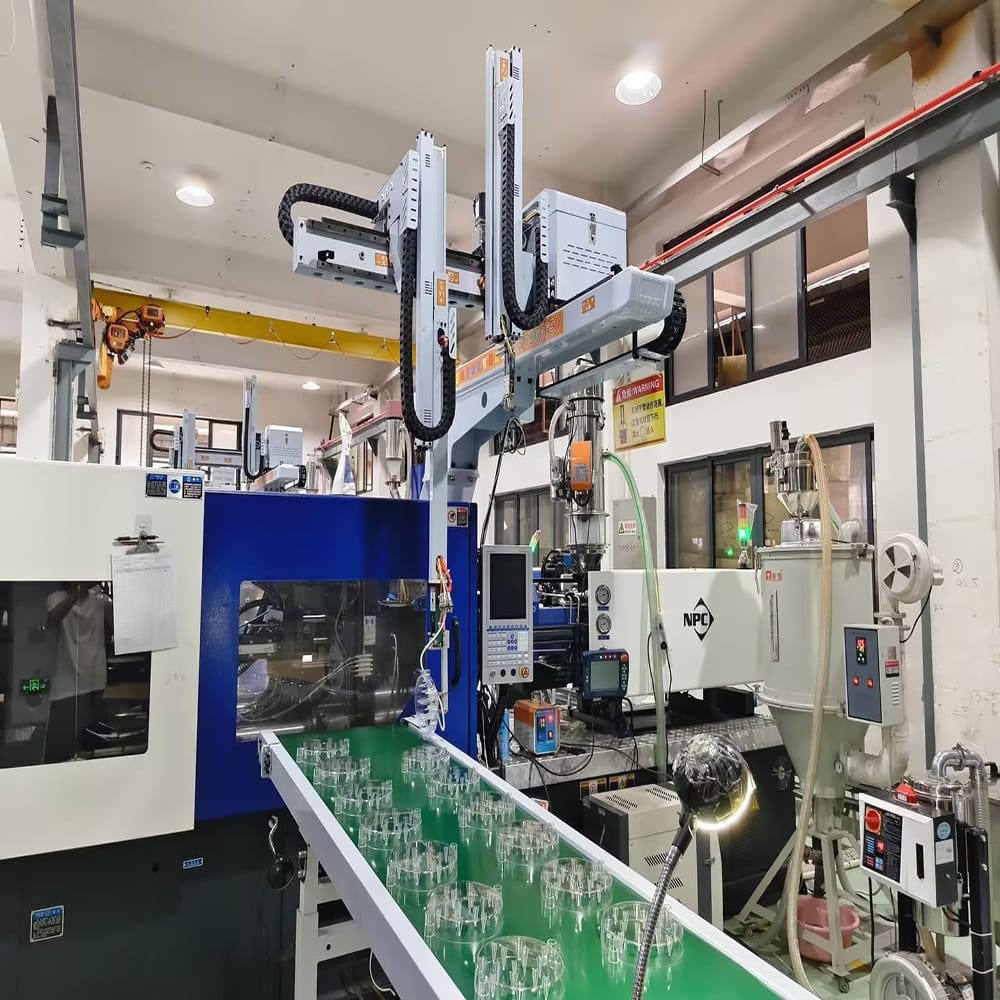
Automated cleanroom production line for custom polymer component manufacturing

Food-Grade Polymer Engineering Guide: Materials & Compliance

he application of food-grade polymers in kitchenware is undergoing a continuous evolution from general-purpose plastics to high-performance specialty engineering plastics. This article systematically discusses the material selection logic, global regulatory compliance frameworks, and precision molding process requirements for food-grade kitchenware polymers, emphasizing that this field is an integrated synergy of materials science, regulatory compliance, and manufacturing engineering
Continue reading