主图

Food Grade vs Food Safe: What’s the Difference?

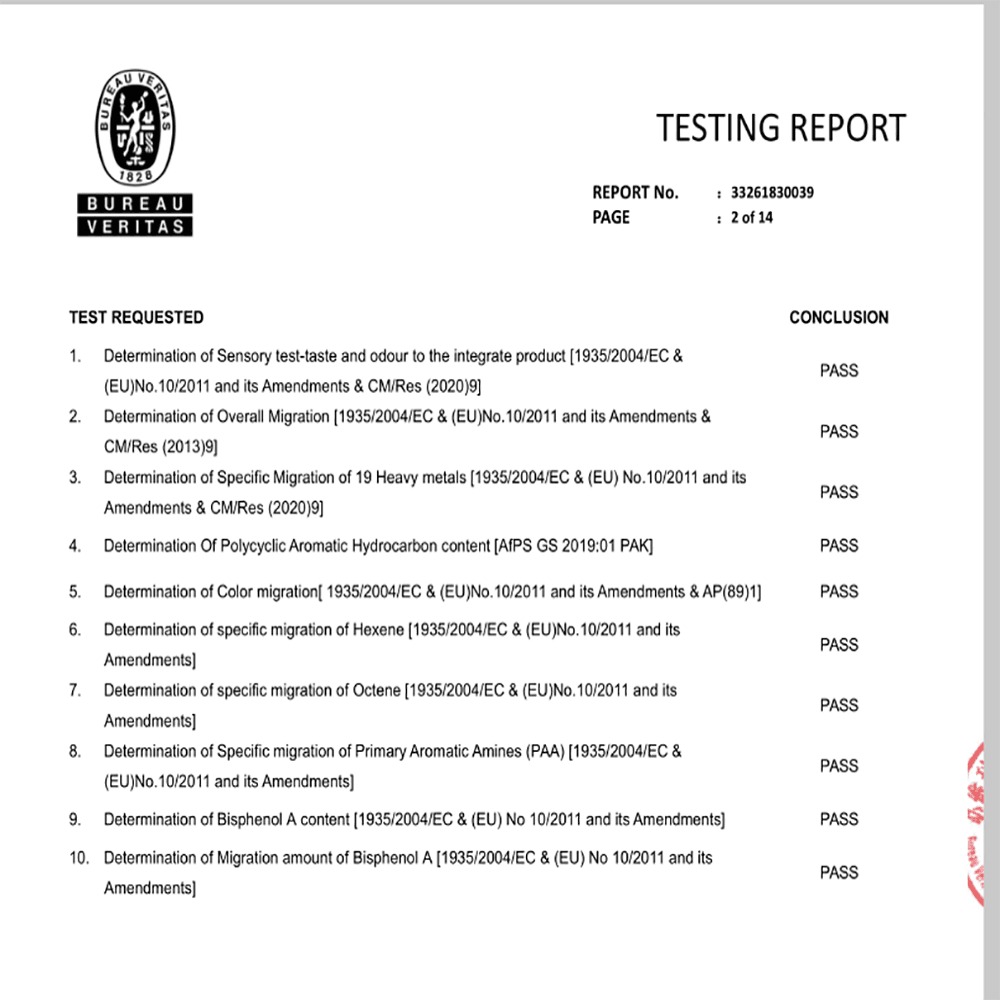
“Food grade” and “food safe” appear on storage boxes, baking tools, bottles and packaging of every kind. Most people read them as the same claim. They are two different claims, backed by different evidence. This guide explains the difference, which materials qualify and why, and which documents are worth asking for.
Continue reading
FCM report

Microwave Safe Plastic Containers: A Simple Guide

Not every plastic container can go in the microwave. Some are made for it. Others warp or leak, and from the outside they can look exactly the same. If you are choosing microwave safe plastic containers, a few simple checks will tell you most of what you need to know. "Microwave safe" means a container is built to handle microwave heat without warping, melting or breaking down. It does not mean it can take any heat for any length of time, so always follow the maker's instructions.
Continue reading
Shower Hair Collector for Wal sku1

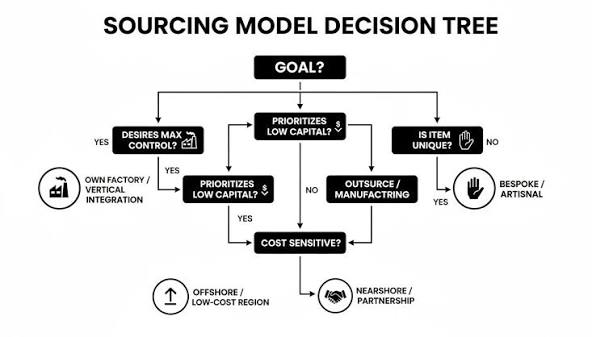
Where to Buy Products to Sell on Amazon

Where to buy products to sell on Amazon is a common question for new sellers. You can buy from many places. The best place depends on your budget, time, and goals. Some sellers use retail stores. Some use online marketplaces. Others work directly with factories or wholesalers. This guide will show you simple ways to find products.
Continue reading
Stitch Gun for Clothes,Tagging Gun 1003

Stitch Gun for Clothes Mold Cost: How Much Does a Custom Duvet Fastener Injection Mold Really Cost?

If you have ever searched for a stitch gun for clothes mold supplier and received quotes ranging from $3,000 to $30,000 for what looks like the same product, you are not alone. A duvet fastener — also called a quilt clip, duvet clip, or comforter fastener — is typically a two-piece assembly: a base and a snap button. At first glance, it seems simple. So why do quotes vary so dramatically?
Continue reading
Rolling Knife Sharpener (Stainless Steel Ends)16

The Best Angle to Sharpen Knives: A Practical Guide for Every Blade Type

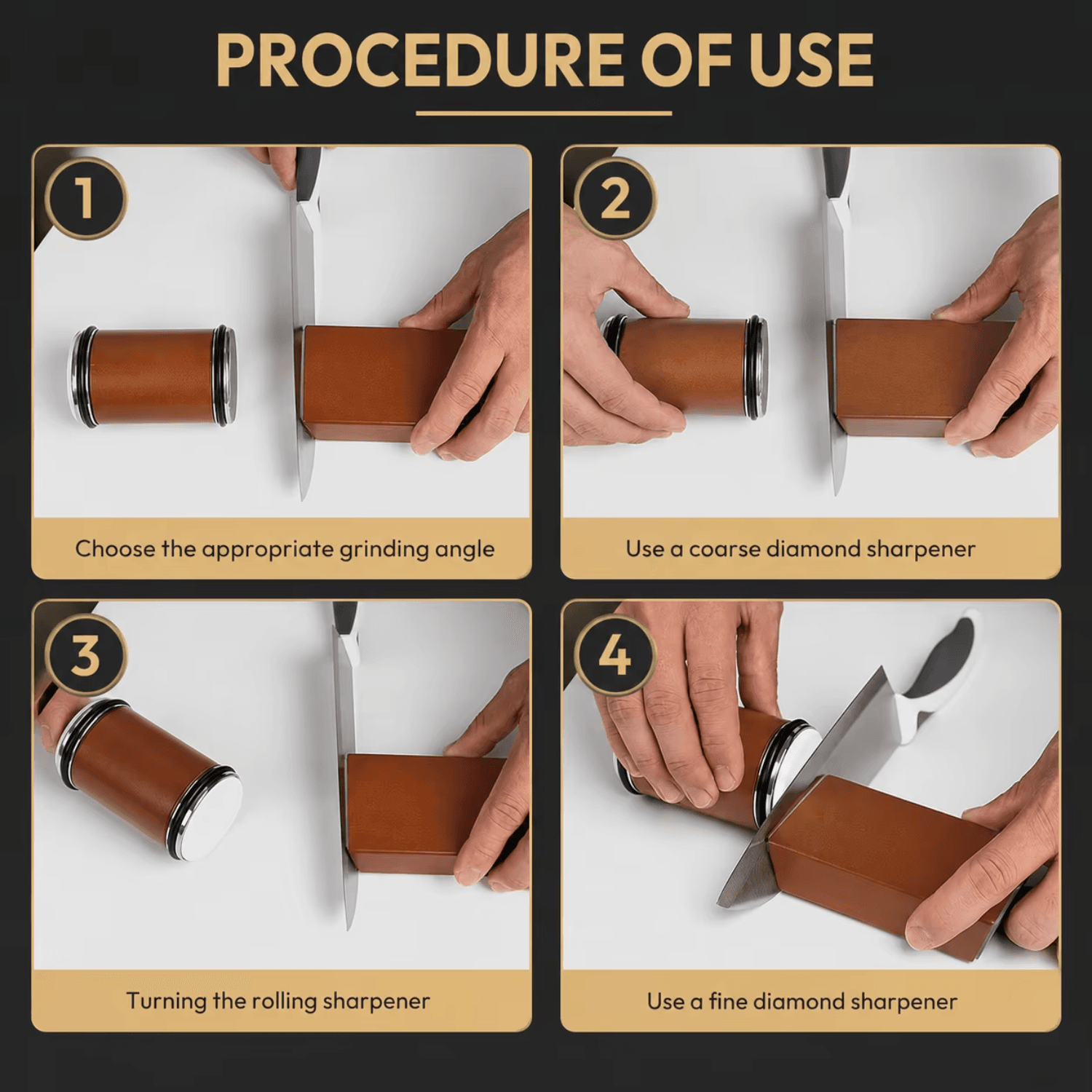
If you only remember one number: 20 degrees per side is the safe default for most Western kitchen knives and general-purpose blades. It offers a durable edge that resists chipping and holds up to regular board contact. But 20° is not universal. A Japanese gyuto at 20° is a waste of good steel. A meat cleaver at 15° will chip the first time it meets bone. The “best” angle depends on three factors: what the knife is made of, what you cut with it, and how you treat it. This guide breaks down the specific angles for every common knife type, explains the sharpness-versus-durability trade-off in plain terms, and clears up the measurement confusion that trips up most beginners.
Continue reading
4th-generation champagne gun shooter and party beer dispenser tool

7 Red Flags When Sourcing Injection Molding Factories

Sourcing injection molding from overseas—particularly from China—offers significant cost advantages, but the landscape is also riddled with risks. For buyers, especially first-time importers, recognizing warning signs early can mean the difference between a successful product launch and a financial disaster. Based on extensive industry expertise and sourcing reports, here are seven critical red flags to watch
Continue reading
Anti-choking rescue device with adult and child masks for emergency first aid

What is a Choking Rescue Device? Market Opportunity for Safety Product Distributors

Choking is the fourth leading cause of unintentional injury death in the United States, claiming approximately 5,000 lives annually, according to the National Safety Council. For decades, the standard of care for a severe airway obstruction has been the Heimlich maneuver—a technique that, while effective in many cases, has documented failure rates, particularly in vulnerable populations such as the elderly, infants, and individuals with disabilities.
Continue reading
High-quality plastic kitchenware food-grade injection molded product

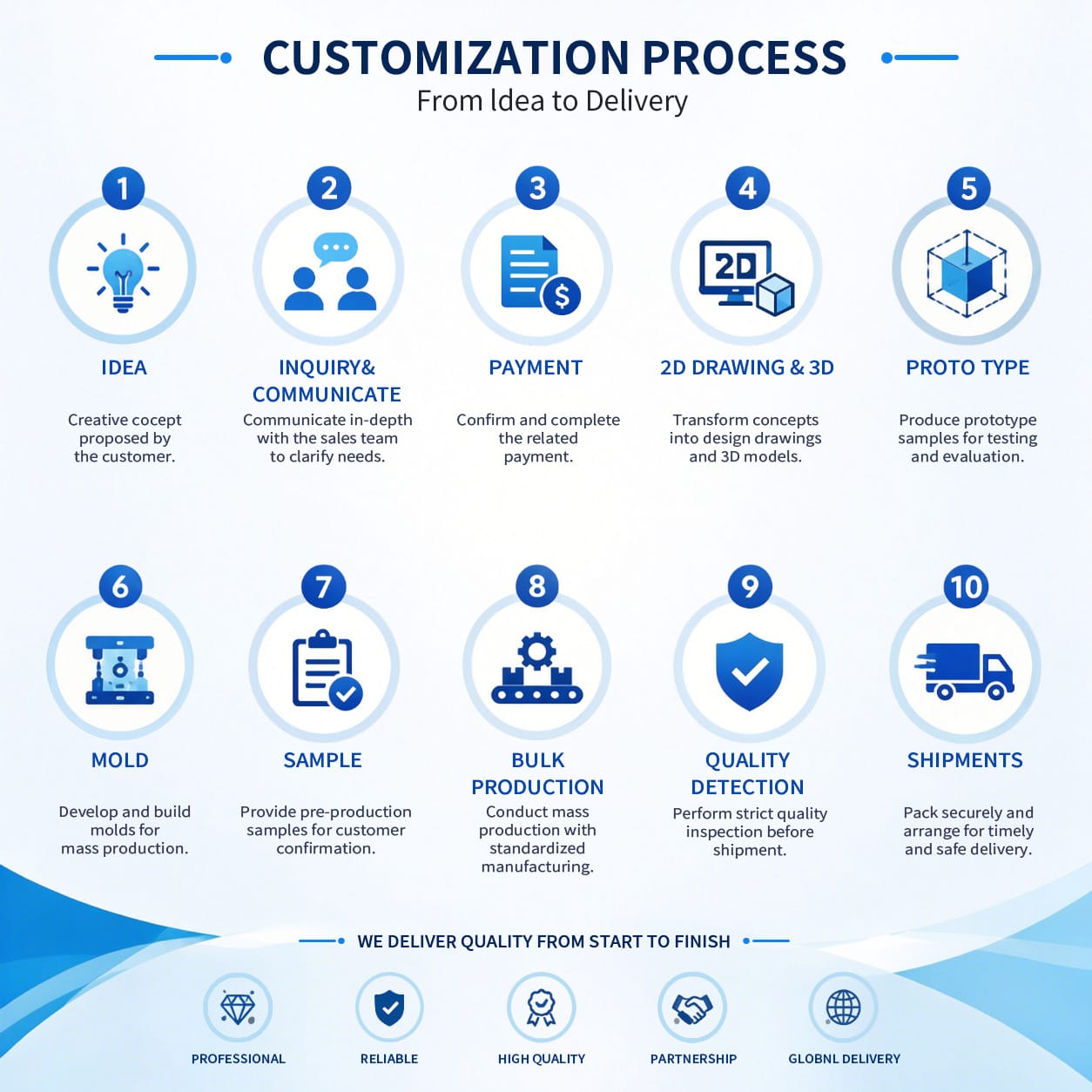
Low MOQ OEM Manufacturing: How 1,000-Unit Orders Enable Amazon Sellers to Test Markets

For most first-time Amazon sellers, the biggest barrier to launching a private label product isn't finding a supplier—it's the minimum order quantity (MOQ). A factory says "1,000 units," and suddenly your $5,000 budget looks like pocket changeBut here's the reality that most sourcing guides don't tell you: 1,000-unit OEM orders are not just feasible—they're becoming the new normal for market testing. And when executed correctly, they offer a strategic advantage that large-batch buyers envy: the ability to validate demand without betting your entire launch budget.
Continue reading