




Whatever you sell, the product is what brings customers in. A good listing, fast shipping and a strong brand all help, but none of them can fix a product that is poor quality or priced too high to leave you a margin.
That is why sourcing products well matters so much. A supplier who ships late or changes quality between orders will cost you more than a slightly higher unit price ever would. This guide covers how product sourcing works, where to find suppliers, and how to pick one you can keep working with.
Product sourcing, or sourcing products, is the process of finding, contacting and negotiating with suppliers so you can buy products to sell. It applies whether you sell on Amazon, Walmart, your own website or in a physical shop.
It is not a one-time job. Prices change, factories get busy, and products that sold well last year stop selling. Most sellers end up sourcing all the time.
You might do it yourself, or hire someone or use a sourcing agent. Either way, the job is the same: ask several suppliers for quotes, compare them, build a relationship with the good ones and negotiate the price.
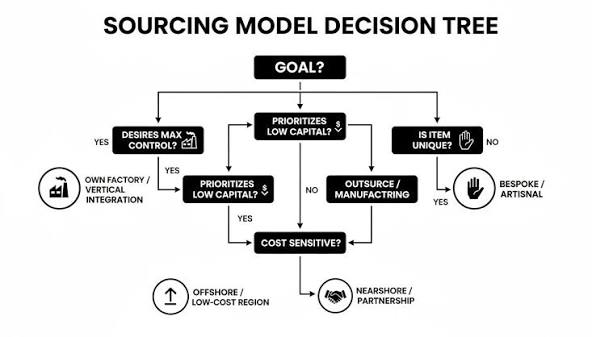
Depending on your business model, sourcing products usually means working through one or more of these channels:
This is the first choice most sellers have to make.
A wholesale supplier usually has ready stock. The MOQ is low and delivery is quick, so it suits testing a new product. The price per unit is higher, and you generally can’t change the product.
A factory makes the product itself, so the unit price is lower and you can customize color, logo, packaging or even the design. The trade-off is a higher MOQ and a longer wait.
| Factor | Wholesale Supplier | Factory Direct |
|---|---|---|
| Stock | Usually ready stock | Made to order, sometimes with ready stock |
| MOQ | Low | Higher |
| Unit price | Higher | Lower |
| Customization | Little or none | Color, logo, packaging, sometimes design |
| Lead time | Short, ships from stock | Longer, depends on production |
| Best for | Testing a new product, small orders | Private label, repeat and larger orders |
Many sellers start with a small ready-stock order to see if a product sells, then move to a factory order once they know it does.
If you’re wondering where to source products to sell, the honest answer is that there are plenty of places. Unless your product is very niche, finding suppliers is easy. Finding good ones is the hard part. Anyone can build a nice-looking website, so don’t trust the first page you land on.
Most sellers now do their sourcing online. You can search Google, use wholesale directories or B2B platforms, or go straight to a factory’s own website. A real supplier normally has a proper site with product pages, specs, certificates and a way to contact them. If a site has none of these, be careful.
Exhibitions like the Canton Fair let you pick up the product, check the material and meet the people you’d be working with. It’s also a good way to find products you weren’t looking for. Not everyone can travel, but if you can, it saves a lot of guessing.
| Where to Look | Good For | Watch Out For |
|---|---|---|
| Google and factory websites | Finding many suppliers quickly, checking product pages and certificates | Sites that look professional but show no certificates or contact details |
| B2B platforms and wholesale directories | Comparing suppliers side by side | Some listings are trading companies, not factories |
| Trade shows | Seeing the product in person, meeting suppliers face to face | Travel cost and time |
These are the two most common ways sellers buy, and they work differently.
Sourcing for resale means buying finished products as they are and selling them on, usually from a wholesale supplier. It’s quick to start and needs little money upfront. The downside is that anyone else can buy the same product, so you end up competing on price.
Private label sourcing means buying a product from a factory and selling it under your own brand, with your own logo, color or packaging. It takes more time and a higher MOQ, but you own the listing and it’s harder for others to copy. This is where OEM and ODM orders come in.
| Factor | Sourcing for Resale | Private Label Sourcing |
|---|---|---|
| Buy from | Wholesale supplier | Factory |
| Branding | Product as it is | Your own logo, color or packaging |
| MOQ | Low | Higher |
| Upfront cost | Lower | Higher |
| Competition | Others can buy and sell the same product | Harder for others to copy |
| Best for | New sellers learning the process | Sellers with a proven product |
If you’re new, sourcing for resale is an easy way to learn the process. Move to private label sourcing once you’ve found a product that sells.
Even if one supplier is great, don’t rely on only one.
If your only supplier runs out of material or gets a big order from someone else, your listing goes out of stock. A second supplier means you can keep selling.
Suppliers know when you have other options. It’s much easier to negotiate when you can show a competing quote.
When you buy from two or three sources, you notice quickly if one of them starts cutting corners.
1. Research. Decide what you want to sell and check that there is demand. Look at best-seller lists, reviews and what competitors charge. Know your target price before you contact anyone.
2. Contact. Send the same clear message to several suppliers: product, quantity, whether you need a custom logo or color, and your target market. Ask about MOQ, price, lead time and certificates (CE, FDA or whatever your market requires). How quickly and clearly they reply tells you a lot.
3. Negotiate. Ask for a written quote and compare it. MOQ and price are often flexible, especially if you’re open to repeat orders. Don’t pick purely on the lowest price.
4. Test. Always order samples before a bulk order. Check the material, finish, size and packaging. For anything that touches food or skin, ask for test reports.
5. Monitor. After the first order, keep checking quality and delivery time. Keep talking to other suppliers so you have a backup.
| Step | What to Do | What to Check |
|---|---|---|
| 1. Research | Check demand and competitor prices, set a target price | Is there enough margin after fees and shipping? |
| 2. Contact | Send the same message to several suppliers | Reply speed, clear answers, MOQ, lead time, certificates |
| 3. Negotiate | Get written quotes and compare them | Price, MOQ, payment terms |
| 4. Test | Order samples before a bulk order | Material, finish, size, packaging, test reports |
| 5. Monitor | Track every order and keep backup suppliers | Quality, on-time delivery, price changes |
Amazon product sourcing has one extra problem: a product that sells well in one country can fail in another. The same goes for Walmart and other marketplaces.
One seller we work with tested a chicken shredder with just 50 units. It sold well in the US, but not in the market he was selling to, so he stopped there and lost very little. He then switched to a knife sharpener and later ordered 100,000 units, and it reached the Amazon top 10 in its category.
The lesson is to start small, test, and only order big when the numbers support it. That is easier when you’re sourcing products from a supplier who accepts a low MOQ on ready stock.
DAQIDA is a factory in Yiwu, set up in 2015. We make injection-molded products in PP, ABS, PC and silicone, and our catalog has 40+ products, mainly kitchen, home and everyday items. We also supply more specialized products, such as a choking rescue device, a ring sizing kit and motion sickness glasses.
| Order Type | MOQ | What You Can Customize |
|---|---|---|
| Ready stock | 100 pcs | Standard product, no customization |
| OEM / ODM | 1,000 pcs | Color, logo, packaging and design, depending on the product |
Lead time is usually 7-14 days, and our products carry CE and FDA certification.
Most of our buyers are Amazon and Walmart sellers, along with some retail chains. If you’re sourcing products like these, send us the item you have in mind and we’ll reply with a quote.
What is the difference between a wholesaler and a manufacturer?
A wholesaler buys from factories and resells, usually with a lower MOQ and no customization. A manufacturer makes the product, so it can offer a lower unit price and custom options, but usually has a higher MOQ.
What does MOQ mean in product sourcing?
MOQ is the minimum order quantity, the smallest number of units a supplier will sell you. It’s often lower for ready-stock items than for custom ones, and it can sometimes be negotiated.
How do I know if a supplier is reliable?
Check that they have a real website, product certificates and clear contact details. Ask for samples, and see how they answer questions. A reliable supplier gives specific answers.
Should I order samples before placing a bulk order?
Yes. Samples let you check quality, size and packaging before you commit money. It’s cheap protection against a bad batch.
Can I source products from China without visiting the factory?
Yes, most sellers do. Use samples, certificates, photos or video of the production, and start with a small first order.
How to find suppliers for Amazon FBA?
Start with the product, not the supplier. Pick an item with proven demand, then search for factories and wholesalers that make it. Compare at least three quotes, order samples, and check that the supplier can pack and label to Amazon’s requirements before you place a bulk order.
What is private label sourcing?
It means buying a product from a factory and selling it under your own brand. You can usually choose your own logo, color and packaging. The MOQ is higher than for ready stock, but you control the listing and the brand.
No account yet?
Create an Account