



Not every plastic container can go in the microwave. Some are made for it. Others warp or leak, and from the outside they can look exactly the same.
If you are choosing microwave safe plastic containers, a few simple checks will tell you most of what you need to know. "Microwave safe" means a container is built to handle microwave heat without warping, melting or breaking down. It does not mean it can take any heat for any length of time, so always follow the maker's instructions.
| Material | Can it go in the microwave? | What to check |
|---|---|---|
| PP (recycling number 5) | Usually, if the product is labeled for it | The symbol on the base, and the lid material |
| Food-grade silicone | Yes | The stated temperature range |
| Thin disposable plastic (cups, takeaway boxes) | Only if marked | These often warp or melt |
| Anything with no marking | Don't assume it is safe | Ask the maker |
Is microwaving Tupperware safe? It can be. Many plastic food containers, Tupperware and similar brands included, are designed for microwave use. But the answer depends on the specific container, not the brand name. Check the label on each piece. It is usually on the bottom.
A few habits help:
Oily and sugary foods get much hotter than water, so heat them in short bursts rather than one long run.
Makers mark microwave-suitable containers with a small icon. It is often a microwave oven or a set of wavy lines, sometimes with the words "microwave safe." It is usually molded into the base.
The sign means the container was designed for microwave heating under normal use. It does not mean it can take any temperature or any amount of time. And if there is no sign at all, don't assume the container is fine.
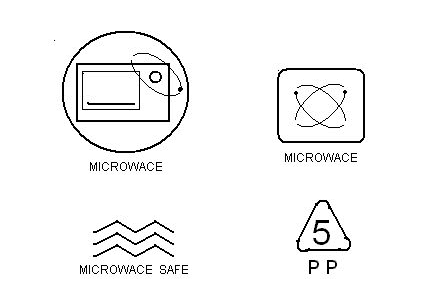
Three quick checks:
Be careful with anything that has no markings, with thin disposable containers, and with containers that soften or feel unusually hot at the edges after a short heat.
PP stands for polypropylene, and it carries recycling number 5. It softens at a temperature well above boiling water, which is why it is so common in reusable containers and takeaway boxes.
In general, PP is fine in the microwave when the product is labeled for it. The catch is that a container is often made of more than one material. The lid may be a different plastic from the base, so check each part.
Two more rules: don't heat an empty container, and avoid long heating of very oily food.
Food-grade silicone handles microwave heat well, and the silicone itself heats very little, so it usually stays cooler than the food. That is why it is popular for lids, covers and steamers.
Quality varies, though. Low-grade silicone can smell, leave residue or break down faster. Look for a product that states its temperature range, and buy from a supplier who can show you the material specifications. Hot food will still make silicone hot, so use oven mitts.
Only if the cup is marked microwave safe. Thin disposable cups often warp or melt under heat.
A reusable PP cup with a microwave-safe mark is a better choice. Take the lid off, or leave it open, so pressure can't build up.
No. Microwave safe means a product can be heated by microwaves under normal use. Oven heat is much higher and drier.
PP containers are not meant for a conventional oven. Some silicone bakeware is rated for ovens, but only when the product says so, so always read the temperature rating.
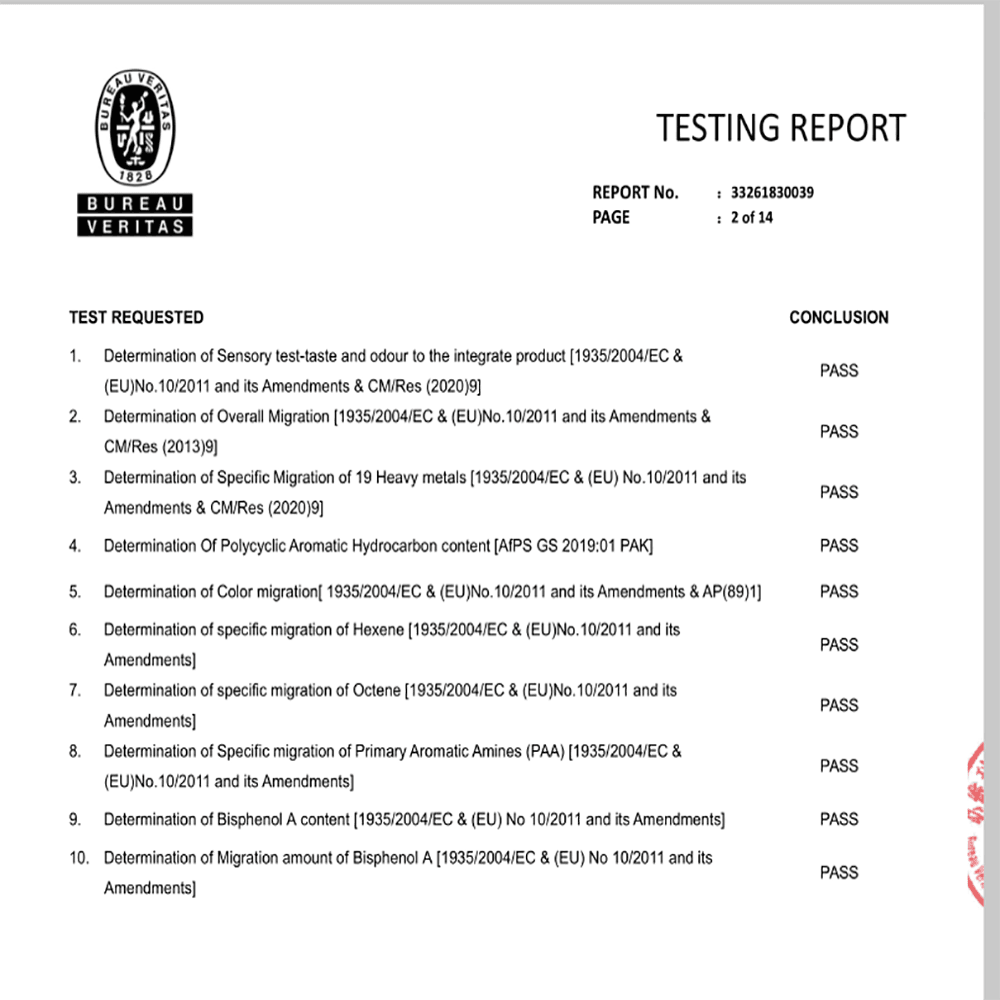
If you sell containers on Amazon or in your own store, don't rely on a supplier simply saying "it's microwave safe." Ask:
At our factory, Daqida, we work with PP and silicone, and our food-contact products meet FDA requirements. In-stock items start at 100 pieces, OEM custom orders at 1,000, and lead time is usually 7 to 14 days. Our range also covers kitchen tools, such as a chicken shredder tool. Terms differ between factories, but these numbers give you a benchmark when you compare quotes.
Can you microwave silicone?
Yes, if it is food-grade and the product is labeled microwave safe. Use oven mitts, because the food can still make it hot.
Is pp5 microwave safe?
Usually, when the container is labeled for the microwave. Check the lid and the base separately.
What is the symbol on plastic for microwave safe?
Look for a small microwave oven icon, wavy lines, or the words "microwave safe," usually on the bottom of the container.
Can a plastic cup go in the microwave?
Only if it is marked microwave safe. Thin disposable cups can warp or melt.
Are red Solo cups microwave safe?
Most disposable party cups, red Solo-style cups included, are not made for the microwave. Use a microwave-safe mug or bowl instead.
No account yet?
Create an Account