Hot-Selling Kitchen Gadgets at Wholesale Prices

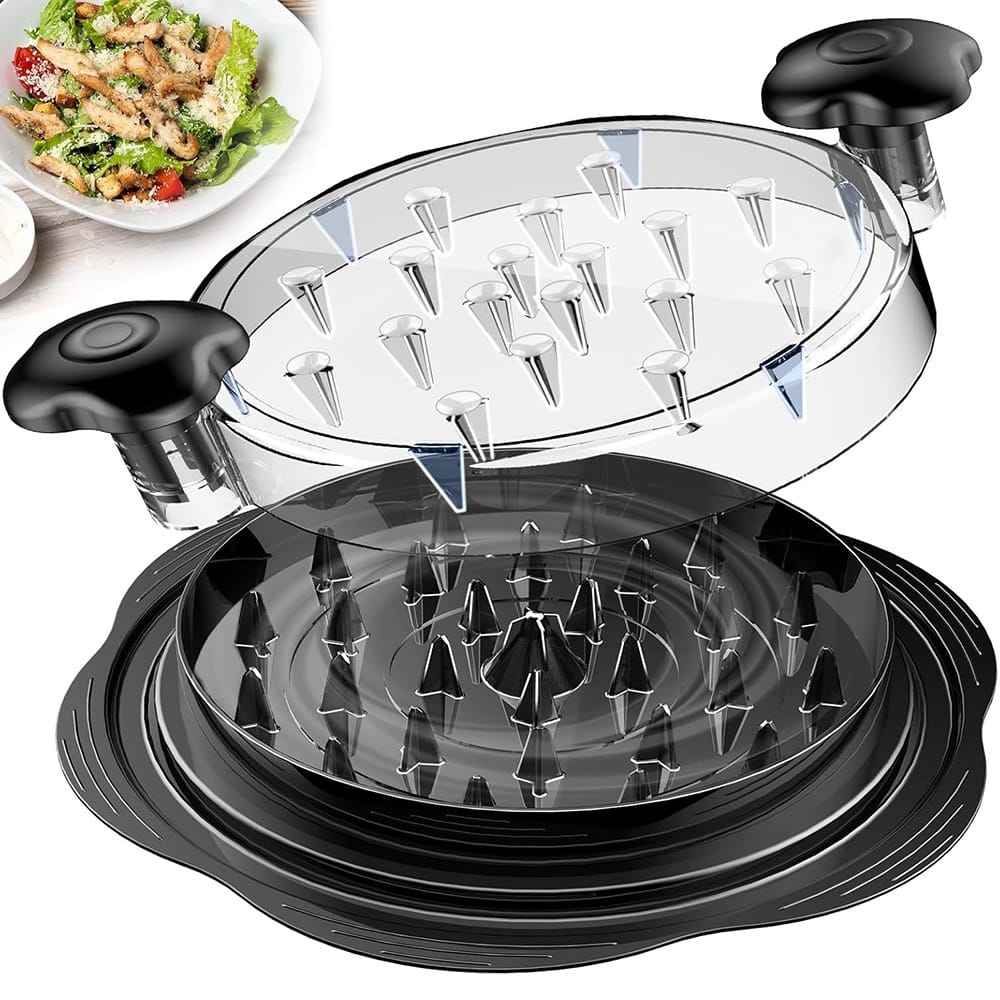
Discover how modern kitchen gadget innovation is transforming household preparation efficiency and retail markets. This comprehensive guide dives into the engineering, material selection, and manufacturing excellence behind popular kitchen tools such as rolling knife sharpeners, manual meat shredders, and space-saving food prep accessories. Learn how sourcing directly from an experienced OEM/ODM manufacturer like DAQIDA ensures food-safe material compliance, ergonomic durability, and competitive wholesale pricing for your global e-commerce brand.

Rolling Knife Sharpener (Stainless Steel Ends) 14

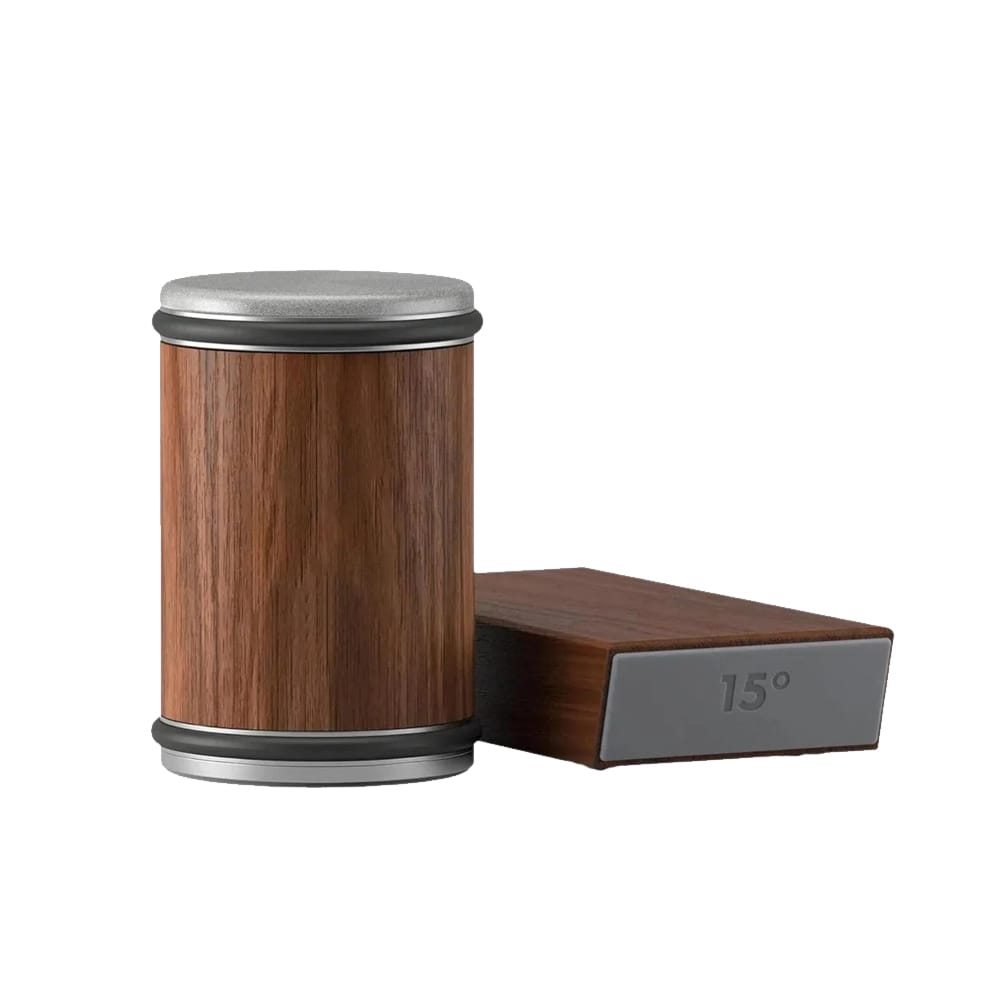
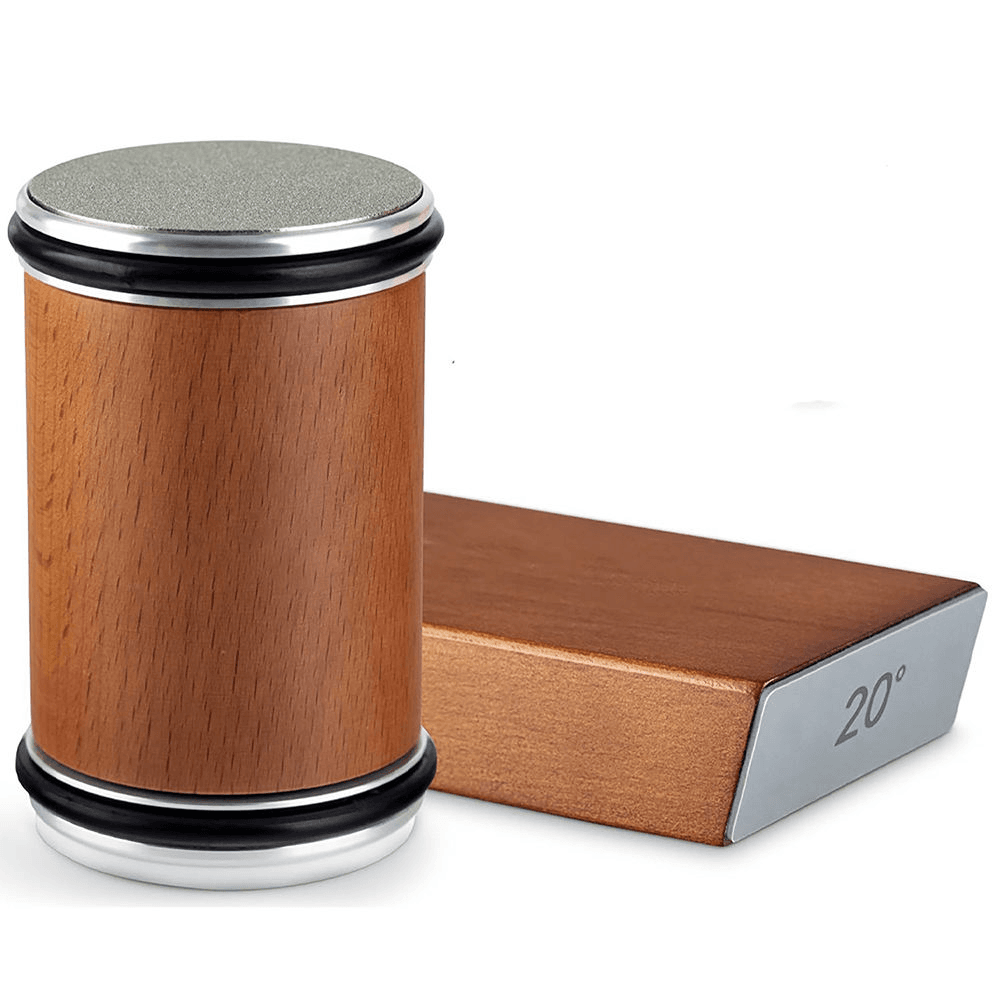
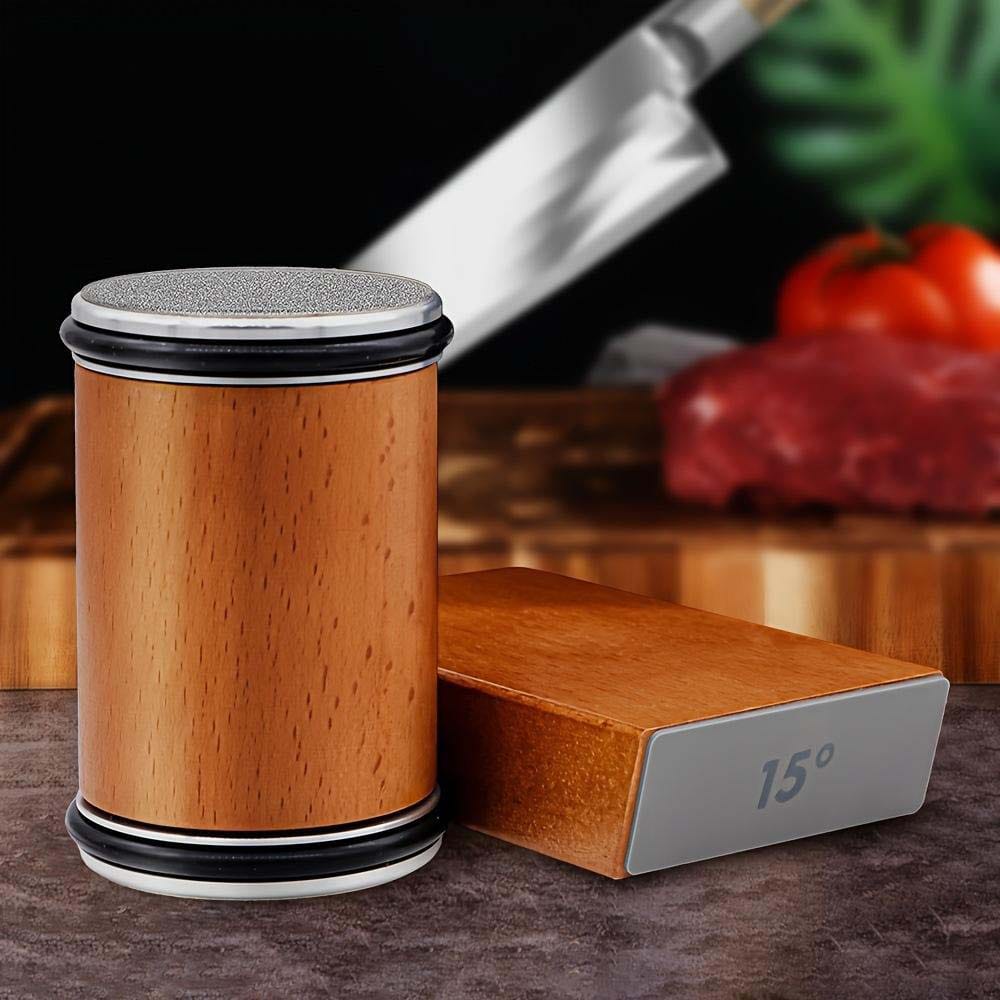
Knife Sharpening Angles: 15° vs. 20° – What’s the Difference for Kitchen Knives?

Before we compare 15° and 20°, we need to clear up a common point of confusion. When knife manufacturers or sharpening tool producers mention a "15-degree edge," they are almost always referring to the angle per side – the angle between one blade face and the vertical centerline of the knife. The total inclusive edge angle is the sum of both sides. A 15° per-side edge has a total inclusive angle of 30°. A 20° per-side edge totals 40°. Most commercial sharpening tools specify the per-side angle in their documentation. Always confirm which measurement is being used before selecting a sharpener.
Continue reading
Rolling Knife Sharpener (Stainless Steel Ends) Wholesale OEM

Rolling Knife Sharpener Material Selection: Aluminum Alloy vs. Stainless Steel – A Manufacturer’s Objective Engineering Analysis

For any kitchen tool manufacturer, the choice of structural material is not merely aesthetic—it fundamentally determines product durability, user experience, manufacturing cost, and market positioning. In the rolling knife sharpener category, the chassis and structural components are typically fabricated from either aluminum alloy or stainless steel. Each material brings distinct engineering trade-offs that directly impact the user's sharpening experience.
Continue reading
Rolling Knife Sharpener Kit,with Diamond and Solid Wood of Chef Blade,Knives Sh main

Rolling Knife Sharpener: Material Science & Aluminum Alloy Design

From a manufacturing engineering standpoint, knife sharpening is not about "scraping metal away." It is a controlled material removal process aimed at reconstructing a precise, uniform micro-bevel along the cutting edge. The performance of any sharpening tool is determined by three interdependent factors: angle stability, abrasive material selection, and structural rigidity.
Continue reading
High-quality plastic kitchenware food-grade injection molded product

Low MOQ OEM Manufacturing: How 1,000-Unit Orders Enable Amazon Sellers to Test Markets

For most first-time Amazon sellers, the biggest barrier to launching a private label product isn't finding a supplier—it's the minimum order quantity (MOQ). A factory says "1,000 units," and suddenly your $5,000 budget looks like pocket changeBut here's the reality that most sourcing guides don't tell you: 1,000-unit OEM orders are not just feasible—they're becoming the new normal for market testing. And when executed correctly, they offer a strategic advantage that large-batch buyers envy: the ability to validate demand without betting your entire launch budget.
Continue reading
oem and odm daqida factory 001

ODM vs. OEM vs. OBM: Which Manufacturing Model Is Right for Your Amazon or Retail Business?

Launching a physical product on Amazon or into retail channels is exhilarating—but the first major crossroads comes long before you list a single SKU. How will you actually make your product? The answer isn’t just about factories and unit costs; it’s about control, speed, branding, and long-term defensibility.You have three primary manufacturing partnership models: OEM (Original Equipment Manufacturer), ODM (Original Design Manufacturer), and OBM (Original Brand Manufacturer). Each sits on a different axis of design ownership, investment, and risk. Choosing the right one can mean the difference between a thriving brand and a commoditized race to the bottom.
Continue reading
Custom Food Preparation Tools and Kitchen Utensils Manufacturer

Yiwu vs. Shenzhen vs. Guangzhou: Where to Source Plastic Molding in China

Yiwu OEM Plastic Factory vs. Guangzhou vs. Shenzhen: Where to Source in 2026However, assuming these cities are interchangeable is a costly mistake. Each region has evolved a distinct manufacturing DNA. Choosing the right city in 2026 depends entirely on your product category, scale, target margins, and custom OEM/ODM requirements—especially when partnering with specialized direct manufacturing factories like DAQIDA in Yiwu.
Continue reading
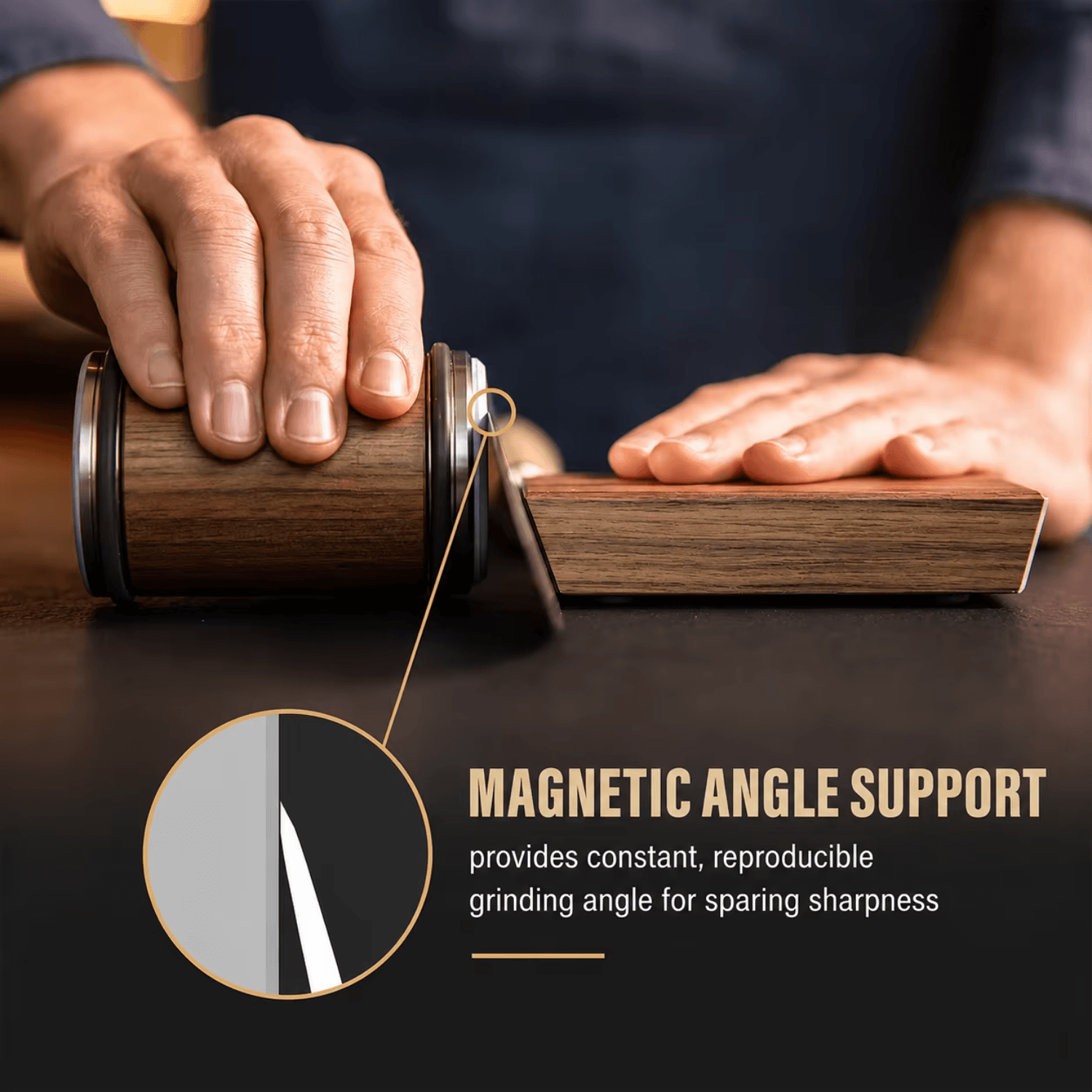
Professional rolling knife sharpener set with magnetic angle base and diamond rolling disc

How to Keep Kitchen Knives Razor-Sharp: The Evolution of Modern Knife Sharpening Technology

This article explores the mechanical causes of kitchen knife dulling and examines how modern dual-axis rolling sharpeners revolutionize blade maintenance through magnetic angle control and dual-abrasive technology. It highlights critical manufacturing considerations such as injection molding tolerances, magnetic retention, and DFM optimization. Furthermore, it showcases DAQIDA's comprehensive OEM/ODM manufacturing capabilities, leveraging advanced plastic injection molding and ISO 9001 quality standards to help global brands scale high-performance kitchen hardware lines efficiently.
Continue reading
High-quality plastic kitchenware food-grade injection molded product

Complete Guide to Bulk Sourcing Plastic Kitchenware

Bulk sourcing plastic kitchenware is a systematic process involving supplier screening, quality control, cost optimization, and compliance management. For retailers, catering chains, e-commerce brands, and distributors, mastering the right procurement methodology is crucial. This article provides a comprehensive, operational-level guide to the entire process of sourcing plastic kitchenware in bulk.
Continue reading