




Picking a product is the easy part. The harder question is where to buy products to sell on Amazon, because the answer sets your margin, how quickly you can restock, and how much money is at risk if the product doesn't sell.
Most sellers use one of four routes: arbitrage, wholesale, an online sourcing platform, or buying straight from a factory. Here is how each one works and who it suits.
What is Amazon arbitrage? You buy a product for less than its Amazon price, then resell it on Amazon. Buying in physical shops is retail arbitrage. Buying from other websites is Amazon online arbitrage.
It's popular with beginners because you need very little money and can start right away. Some sellers use Amazon arbitrage tools such as Tactical Arbitrage to spot price gaps across online stores.
Before you start, check Amazon's fees and which brands or categories are restricted, and begin with just a few items to see how the numbers work out. The limit is that you can only sell what happens to be on sale, so it's hard to turn this into a steady business or build your own brand. Think of it as practice.
Wholesale means buying in volume from a brand owner or an authorized distributor and selling on listings that already exist. Demand is proven and supply is steady.
The trade-off is competition. When several sellers share one listing, the price drops quickly, and some brands want approval or paperwork before they sell to you. Margins are usually thin.
If you go this way, ask for a sample first, check the quality and packaging, and compare quotes from at least three suppliers.
Platforms such as Alibaba, Global Sources and Made-in-China let you compare hundreds of suppliers in one afternoon. The Canton Fair in Guangzhou, held twice a year, lets you do the same in person.
When you work out how to choose the right marketplace for your business, think about three things: what kind of supplier you want (factory or trader), how big an order you can afford, and how much checking you are willing to do yourself.
Many "suppliers" on these sites are trading companies, not factories. That isn't always a problem, but you pay for the middleman and have less control over quality and lead time. To tell the difference:
With factory direct sourcing, you deal with the company that actually makes the product. It's the route for private label and custom products, and it usually gives the best margin and the most control over design, packaging and quality.
The catch is the minimum order quantity (MOQ). Factories need enough volume to make a production run worthwhile, so you commit more money up front.
For a real example, at our factory, Daqida, in-stock items start at 100 pieces and OEM custom orders at 1,000. We work with PP, ABS, PC and silicone, and lead time is usually 7 to 14 days. Our range includes small silicone and plastic items like a Water Bottle Spout. Terms vary from factory to factory, so use these numbers as a benchmark, not a rule.
Start with a category you understand, then look for suppliers on a sourcing platform or directly at a factory.
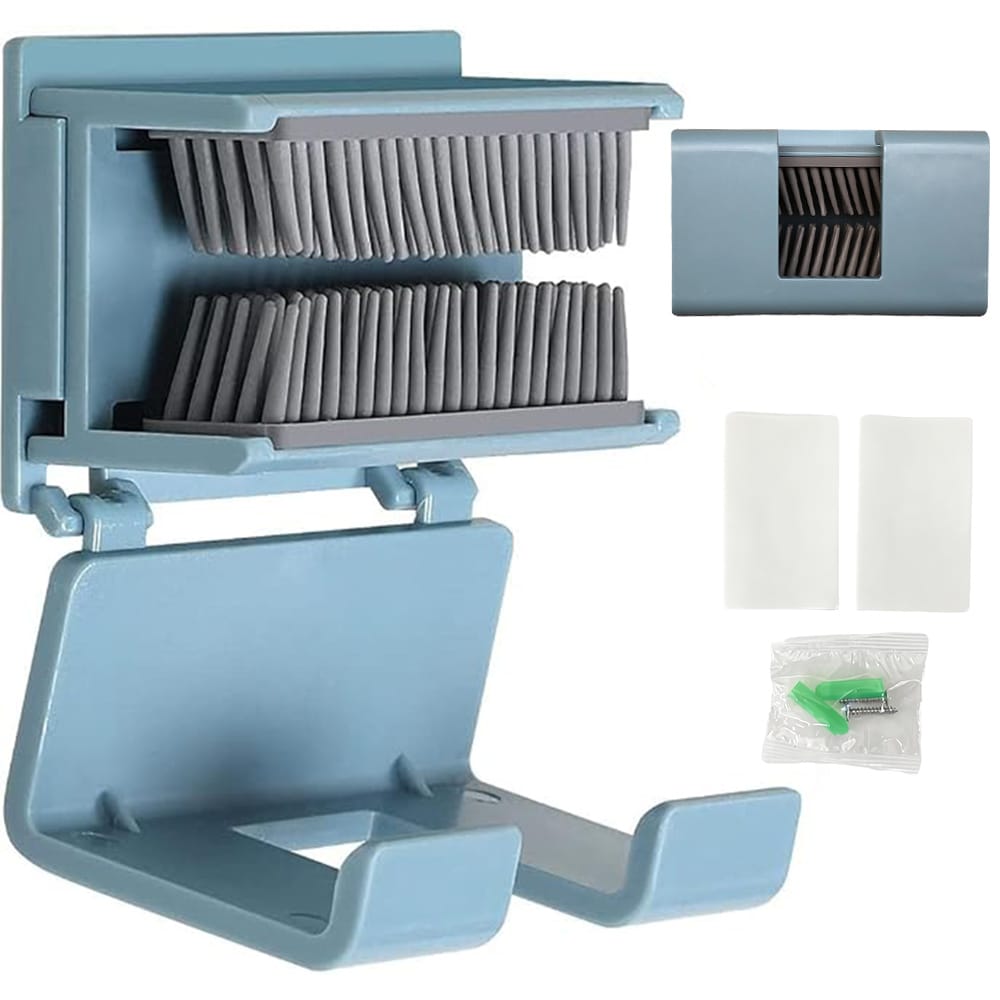
For FBA, size and weight matter. Amazon stores and ships the product for you, and its fees go up with size and weight. Small, lightweight items, like a Seat Belt Adjuster or a Shower Wall Hair Catcher, usually cost less to store and ship. Also check the certifications your market requires, such as CE for Europe or FDA for certain products.
When you think about how to source products to sell on Amazon, the most useful habit is to test small before you commit. One of our customers, an Amazon seller, ordered just 50 units of a chicken shredder to see how it would do in their market. It didn't sell, so they stopped and lost very little.
They then switched to a rolling knife sharpener, placed a custom order, and eventually reached 100,000 units and a place among Amazon's top-10 bestsellers. The shredder, by the way, sells very well in the US. It just didn't suit that seller's region.
A product succeeds or fails in a specific market, not in general. A 50-unit test costs a fraction of what you'd lose finding that out on a 5,000-unit order.
Before you work with a supplier, ask:
Q1: What is retail arbitrage?
The retail arbitrage meaning is simple: you buy products from retail stores at a low price and resell them on Amazon for more.
Q2: Where to buy wholesale products to sell on Amazon?
Buy from brand owners or authorized distributors. Ask for a sample first and compare quotes from at least three suppliers.
Q3: How to choose the right marketplace for your business?
Decide whether you want a factory or a trading company, how big an order you can afford, and how much checking you will do yourself.
Q4: How to source products to sell on Amazon FBA?
Pick a category you understand, find suppliers, and test a sample. Start with a small first order before you scale.
Q5: What are the key questions for supplier evaluation?
Ask whether they are a factory, what the MOQ is, and whether they can send a sample. Also ask about lead time and certificates.
No account yet?
Create an Account