

Choking is one of those emergencies that doesn't give you time to think. One second someone is eating, the next they cannot breathe, speak, or cough. The technical term is foreign-body airway obstruction—something is physically blocking the pipe that brings air in and out. If the obstruction isn't cleared, the heart eventually stops from oxygen deprivation.
The question of what to do first has a clear answer—but the landscape shifted in 2025, and again in 2026, with updated guidelines from the American Heart Association and a new regulatory framework from the FDA. Here is what you actually need to know.
For years, the Heimlich manoeuvre (abdominal thrusts) was the default response for choking. The 2025 AHA Guidelines changed that. The new protocol now explicitly directs rescuers to alternate five back blows with five abdominal thrusts for conscious adults and children.
Why the switch? Back blows are thought to be slightly more effective, so the logic is straightforward: try them first. The previous guidelines offered no choking guidance for adults at all, and for children they recommended abdominal thrusts only. The 2025 update filled that gap and standardized the approach.
For infants under one year, the guidance is different and unchanged in its core principle: alternate five back blows with five chest thrusts—abdominal thrusts are never recommended due to injury risk.
Key distinction: The 2025 guidance explicitly sequences back blows first, not abdominal thrusts first. This is a change from earlier training that emphasized abdominal thrusts.
Infants are not small adults. Their anatomy is different, and abdominal thrusts can cause serious internal injury.
Do not use abdominal thrusts on an infant. Do not use suction devices on infants under one year—they are not indicated for this age group.
If the person becomes unresponsive at any point, stop the choking protocol and begin CPR starting with chest compressions. Call emergency services immediately. For proper preparation and emergency response training, keeping a certified CPR Resuscitation & Training Mask on hand ensures you are ready when standard protocols transition to chest compressions.
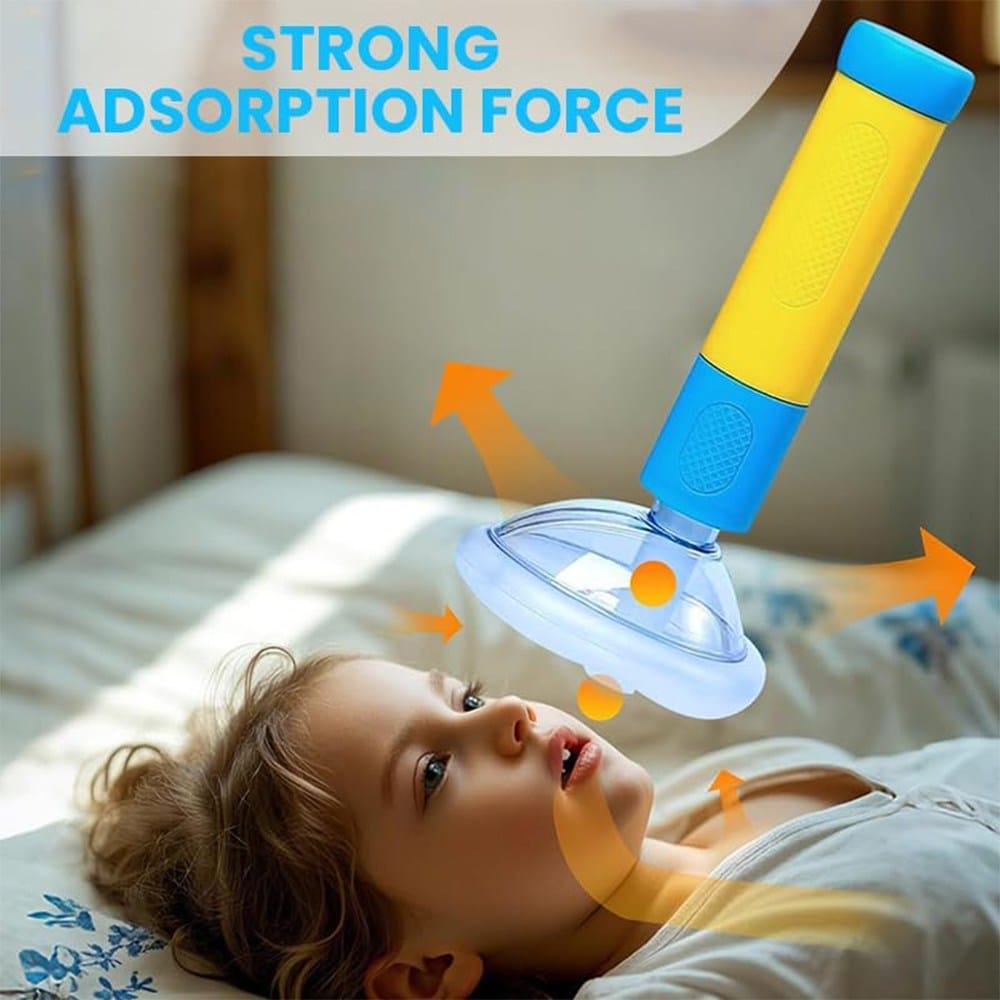
This is where the 2026 FDA action matters. On March 4, 2026, the FDA granted De Novo authorization for LifeVac, creating a new regulatory category under 21 CFR 874.5400: “Suction anti-choking device as a second-line treatment”. The device is classified as Class II with product code QXN.
The FDA's authorization came with a critical indication for use, spelled out in the order:
“The LifeVac is intended to resolve choking in a victim with a complete airway obstruction when a current choking protocol has been followed without success. LifeVac should only be used to remove an object/food from a victim with a complete airway obstruction.”
That language is not casual. It means:
The FDA explicitly warns that using an anti-choking device before established protocols “could delay critical life-saving action”. The agency also notes that these devices require steps like removing packaging and assembly, which takes time that a choking victim does not have.
The FDA has also issued import alerts for multiple suction anti-choking devices that have not been authorized for U.S. distribution. If you are considering purchasing a reliable Choking Rescue Device, verify its authorization status through the FDA's Medical Device Databases—not by trusting marketing claims.
There are situations where the standard manual protocol becomes difficult or impossible to perform effectively:
| Situation | Limitation | Adjustment |
|---|---|---|
| Late pregnancy | Abdominal pressure is unsafe | Use back blows + chest thrusts |
| Severe obesity | Rescuer cannot reach correct contact point | Use back blows + chest thrusts if abdominal access is ineffective |
| Wheelchair user | Backrest blocks access from behind | Modify positioning; chest thrusts may be substituted |
| Rescuer smaller than victim | Cannot physically wrap arms around | Use chest thrusts; consider a specialized Choking Rescue Device designed for self-administration if available |
In these cases, the 2025 AHA guidance allows for chest thrusts as an alternative to abdominal thrusts. And if the manual protocol—whether standard or modified—fails to clear the airway, deploying a complete Choking Rescue Device Set becomes the appropriate second-line option.
But the key point is this: the manual protocol comes first, even in difficult scenarios. The device is not a shortcut around physical limitations; it is a backup when the limitation prevents success. For optimal readiness, keeping your unit secured inside a wall-mountable Choking Rescue Device Storager guarantees rapid access when every second counts.
| Situation | First Action | If That Fails | If That Also Fails |
|---|---|---|---|
| Conscious adult/child, able to cough | Encourage coughing | — | — |
| Conscious adult/child, cannot breathe/speak/cough | 5 back blows → 5 abdominal thrusts, repeat | — | Suction device (if available and certified) |
| Conscious infant (<1 yr), cannot breathe | 5 back blows → 5 chest thrusts, repeat | — | Do NOT use suction device |
| Any age, becomes unresponsive | Stop choking protocol; begin CPR | — | — |
| Pregnancy / obesity / wheelchair | Back blows + chest thrusts (instead of abdominal) | If unsuccessful | Suction device (if available and certified) |
The Bottom Line
The 2025 AHA guidelines made a deliberate change: back blows come first now, not abdominal thrusts. The sequence is clear—five and five, repeated until the object clears or the person goes unresponsive.
Choking rescue devices have a place, but it is a defined place: second-line, after the manual protocol has been attempted without success. The FDA's 2026 authorization did not elevate these devices to first-line status—it formalized their role as a backup.
If you take away one thing: learn the manual protocol first. Practice it. Teach it to everyone in your household. A device is only useful if you know when and how to use it—and the first step in that sequence is knowing that the device is not the first step at all.
This article is for informational purposes and does not constitute medical advice. In a choking emergency, call emergency services immediately. Always follow the most current guidelines from the American Heart Association and your local emergency protocols.
No account yet?
Create an Account