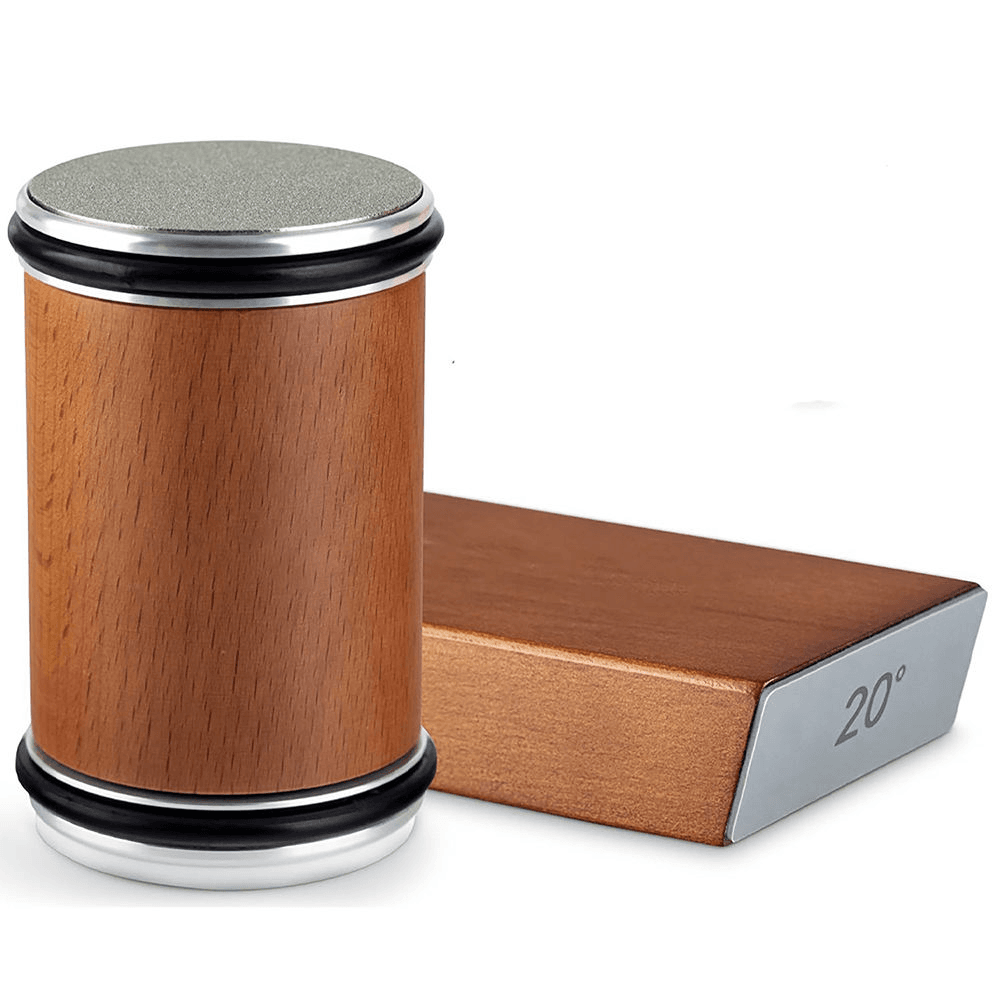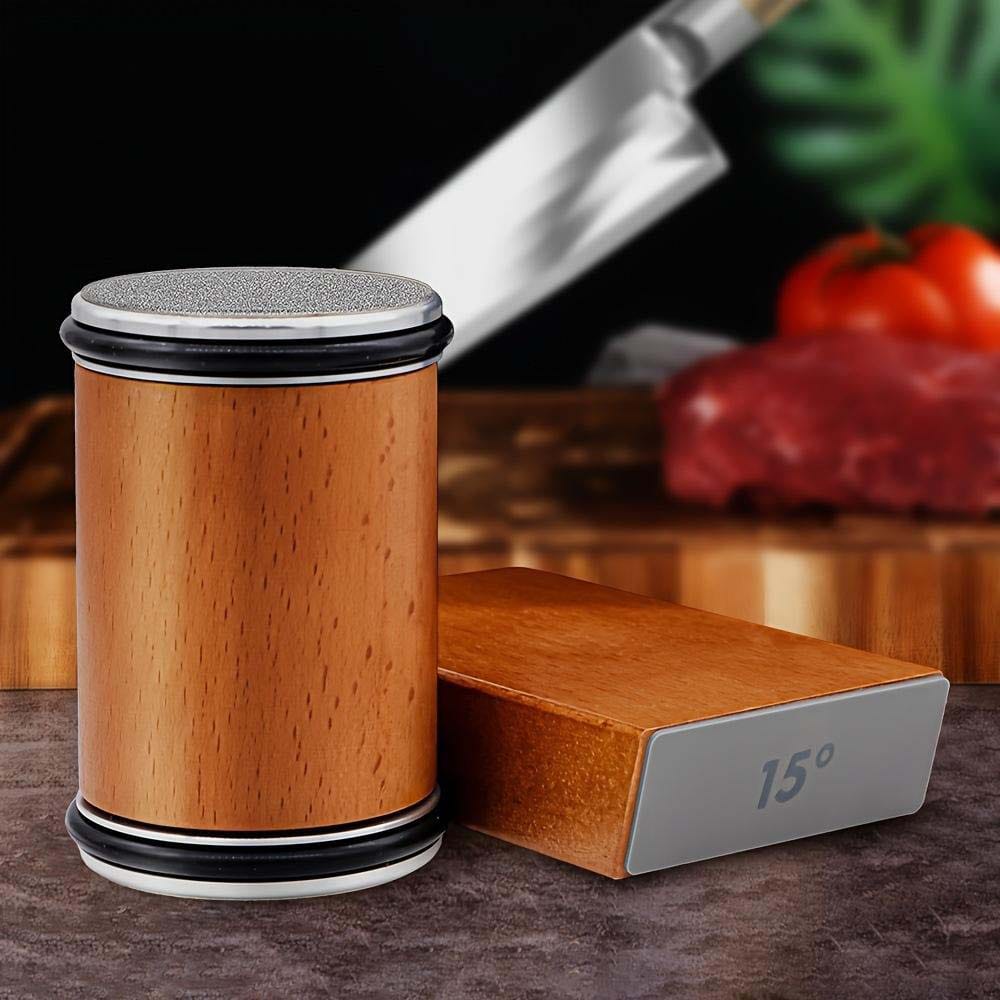

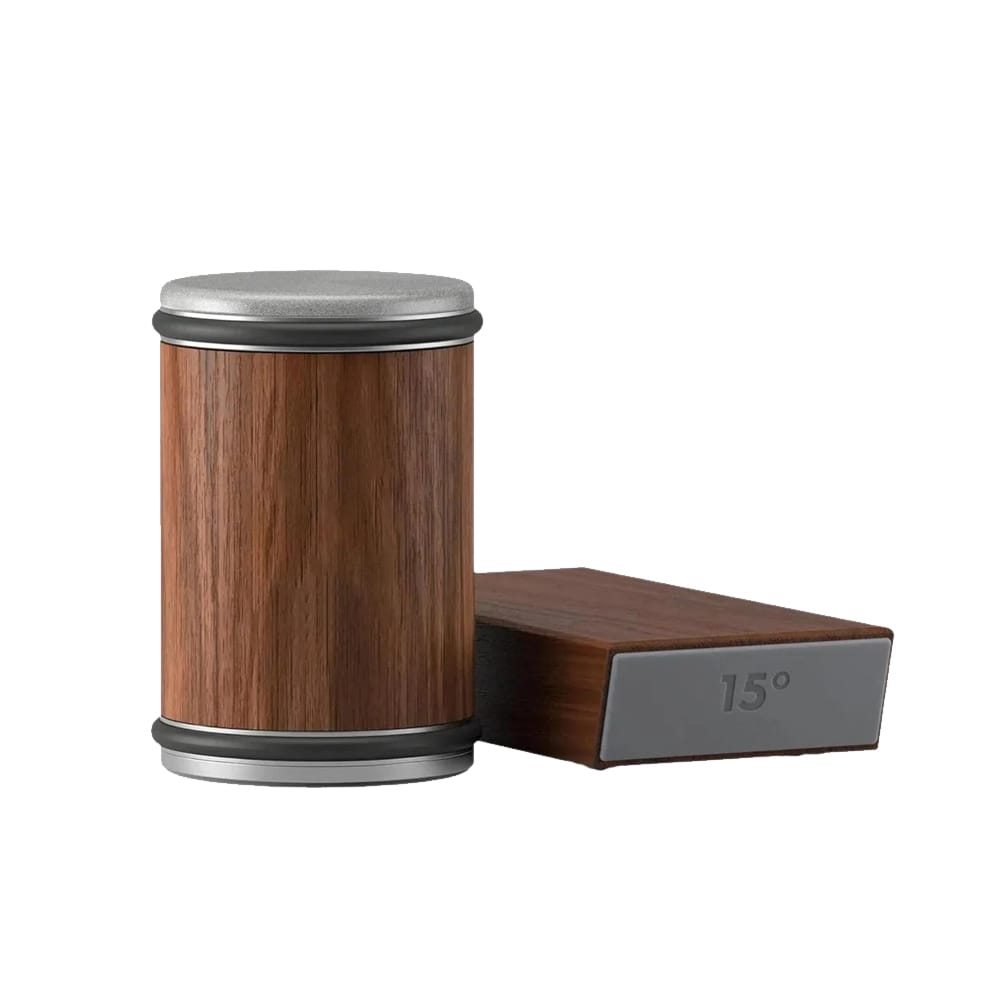
For any kitchen tool manufacturer, the choice of structural material is not merely aesthetic—it fundamentally determines product durability, user experience, manufacturing cost, and market positioning. In the rolling knife sharpener category, the chassis and structural components are typically fabricated from either aluminum alloy or stainless steel. Each material brings distinct engineering trade-offs that directly impact the user's sharpening experience.
As a manufacturer producing both material variants, we present this objective comparison to help buyers make informed decisions based on their target market, price positioning, and performance priorities. Neither material is universally "better" —each excels in different applications, and both have established market demand.
If you are looking for bulk sourcing options, feel free to explore our 👉 Wholesale Rolling Knife Sharpener collection, providing retail-ready solutions for your brand.
This article provides a comprehensive, data-driven comparison of these two materials, examining performance across six critical dimensions: structural rigidity, weight and handling, corrosion resistance, thermal management, manufacturing precision, and cost-effectiveness. The analysis is grounded in material science principles and real-world manufacturing experience.
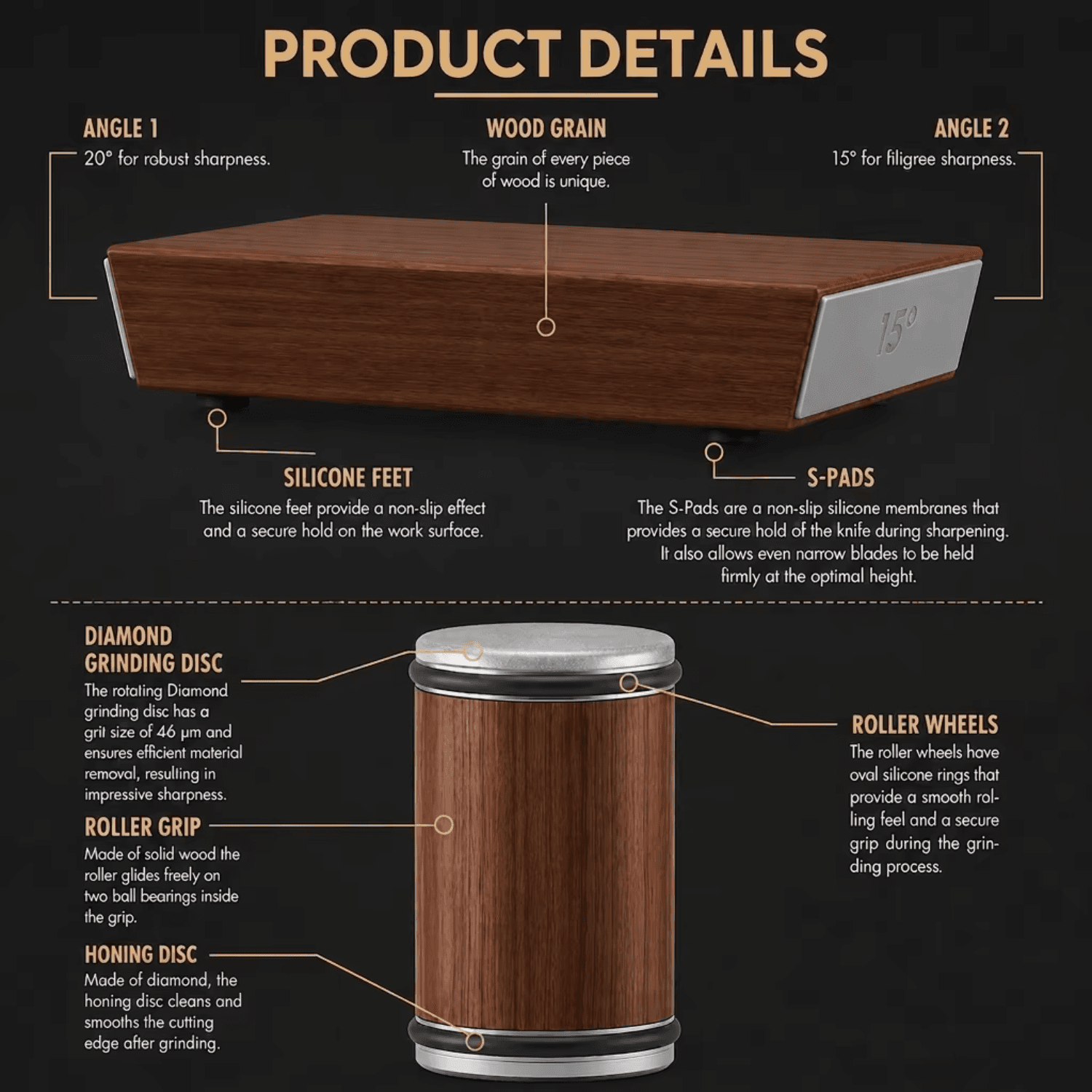
| Property | Aluminum Alloy (6061-T6) | Stainless Steel (304) |
|---|---|---|
| Density (g/cm³) | 2.70 | 7.93 |
| Modulus of Elasticity (GPa) | 69 | 193 |
| Yield Strength (MPa) | 276 | ≥205 |
| Tensile Strength (MPa) | 310 | 520–750 |
| Thermal Conductivity (W/m·K) | 167 | 16.2 |
| Surface Hardness (Brinell) | 95 | 201 |
| Relative Material Cost (per kg) | 1× (baseline) | 2.5–3.5× |
Source: Mechanical Engineering Materials Handbook data; 6061-T6 and 304 stainless properties from industry-standard references.
The primary function of a rolling knife sharpener's chassis is to maintain precise geometric alignment between the knife edge and the abrasive rolling cylinder. Any flex or deformation during use alters the effective grinding angle, compromising sharpening consistency. In a magnetic angle rolling sharpener, the chassis must hold both the knife base and the rolling mechanism in fixed spatial relationship throughout the sharpening stroke.
| Parameter | Aluminum Alloy (6061) | Stainless Steel (304) |
|---|---|---|
| Stiffness-to-Weight Ratio | High (≈25.6 GPa·cm³/g) | Moderate (≈24.3 GPa·cm³/g) |
| Resistance to Torsional Deformation | Adequate (with ribbed design) | Excellent (inherent) |
| Critical Angle Deviation Under Load | <0.5° (with proper ribbed design) | <0.2° |
Engineering Insight: While its lower elastic modulus means it flexes more under identical load, the design compensates with thicker wall sections. For a rolling sharpener where the chassis is not subjected to extreme loads (>50 kg), 6061-T6 aluminum provides more than sufficient structural integrity. Stainless steel's higher modulus of elasticity provides exceptional rigidity even with thinner sections.
The rolling sharpener is a hand-held tool; its weight directly affects user fatigue and control during the sharpening process. Unlike stationary sharpening systems, a rolling sharpener must be pushed and pulled across the blade edge, making weight a critical ergonomic factor.
| Material | Weight (g) | User Feel & Ergonomic Implication |
|---|---|---|
| Aluminum Alloy | 270 | Lightweight, agile; less fatigue during 100+ passes; easier for beginners; quick wrist movements. |
| Stainless Steel | 793 | Heavy, stable; provides inertial damping; smoother rolling motion; reassuring "premium" heft. |
To experience our optimized lightweight aluminum version, check out our flagship model: 👉 Rolling Knife Sharpener – Aluminum, designed for effortless handling without sacrificing durability.
Kitchen tools are exposed to moisture, acidic foods, detergents, and high humidity. Material selection must account for long-term durability in this aggressive environment. In a rolling sharpener, the chassis is frequently handled and may be stored near sinks or in damp drawers.
| Aspect | Aluminum Alloy (Anodized) | Stainless Steel (304) |
|---|---|---|
| Moisture Resistance | Good (with anodized coating) | Excellent |
| Acid & Alkali Resistance | Moderate (surface can pit if coating compromised) | Excellent – passive chromium oxide layer protects |
| Maintenance Requirement | Regular wiping; avoid acidic cleaners; dry after use | Minimal – wipe clean; highly durable |
Friction during sharpening generates heat. In a rolling sharpener, the contact area between the abrasive disc and the knife edge is smaller than in flat-stone systems, concentrating heat in a narrow zone. Excessive temperature can damage the knife's heat treatment and the diamond abrasive bond matrix.
| Property | Aluminum Alloy | Stainless Steel |
|---|---|---|
| Thermal Conductivity | 167 W/m·K (excellent) | 16.2 W/m·K (poor) |
| Heat Dissipation Rate | ≈10× faster than stainless steel | Slow |
| Risk of Overheating Knife Edge | Low | Moderate |
From an OEM manufacturing perspective, material choice affects raw material costs, tooling, machining processes, production yield, and final unit price.
| Factor | Aluminum Alloy | Stainless Steel |
|---|---|---|
| Primary Forming | Extrusion, die-casting, CNC | Sheet metal stamping, CNC, investment casting |
| Machining Speed & Tool Wear | Fast, low tool wear | Slow (work-hardens), 5–8× higher tool wear |
| Raw Material Cost per Unit | 1× (baseline) | ≈3× baseline |
| Criterion | Weight (%) | Aluminum Alloy | Stainless Steel | Winner |
|---|---|---|---|---|
| Weight / Ergonomics (rolling ease) | 20% | ★★★★★★★★☆☆ | ★★★★☆☆☆☆☆☆ | Aluminum |
| Structural Rigidity (angle stability) | 15% | ★★★★☆ | ★★★★★ | Stainless Steel |
| Corrosion Resistance | 15% | ★★★★☆ (with coating) | ★★★★★ | Stainless Steel |
| Thermal Management | 10% | ★★★★★★★★☆☆ | ★★★★☆☆☆☆☆☆ | Aluminum |
| Manufacturing Cost (OEM viability) | 20% | ★★★★★★★☆☆☆ | ★★★★☆☆☆☆☆☆ | Aluminum |
Modern rolling sharpeners incorporate magnetic angle guides, dual-grit diamond discs, and ergonomic rolling mechanisms. We offer both material variants because different markets demand different value propositions: aluminum alloy models target the mid-range consumer market with accessible pricing, while stainless steel models serve the premium segment looking for full-metal prestige.
| User Segment | Recommended Material | Rationale |
|---|---|---|
| Home cooks (occasional use) | Aluminum Alloy | Lightweight, affordable, sufficient durability. |
| Professional kitchens (heavy daily use) | Rolling Knife Sharpener – Stainless Steel Body | Maximum durability, corrosion resistance, and commercial-grade performance. |
| E-commerce & Gift Sellers | Both Variants Available | Aluminum provides cost-to-value; stainless steel offers premium unboxing appeal. |
Both aluminum alloy (6061-T6) and stainless steel (304) are exceptional material choices optimized for different market segments. Aluminum excels in cost-sensitive, ergonomics-focused, and heat-sensitive mass markets, whereas stainless steel dominates the luxury positioning, professional kitchens, and heavy-use environments.
We provide full custom OEM manufacturing for both options. Contact us today to discuss your project requirements.
| Cost & Specs | Aluminum Alloy Variant | Stainless Steel Variant |
|---|---|---|
| Estimated Total Manufacturing Cost | $7.00–10.80 | $14.00–21.50 |
| Suggested Retail Price Range | $29.99–49.99 | $59.99–99.99 |
| Net Weight (Approx.) | 480–520 g | 850–950 g |
Related technical topics for further reading:
🏭 DAQIDA Factory Qualification Certificates & Injection Molding Expertise
As a professional direct source factory, DAQIDA masters advanced plastic injection molding processes, DFM optimization, and strict production discipline backed by our official qualification certificates:
• Explore our full manufacturing capabilities via the DAQIDA Product Catalog ➔
Avoid common mass-production pitfalls like shrinkage and warping. Partner with DAQIDA for professional OEM and ODM manufacturing solutions built on precise DFM analysis, stable process control, and rigorous factory quality standards.
No account yet?
Create an Account