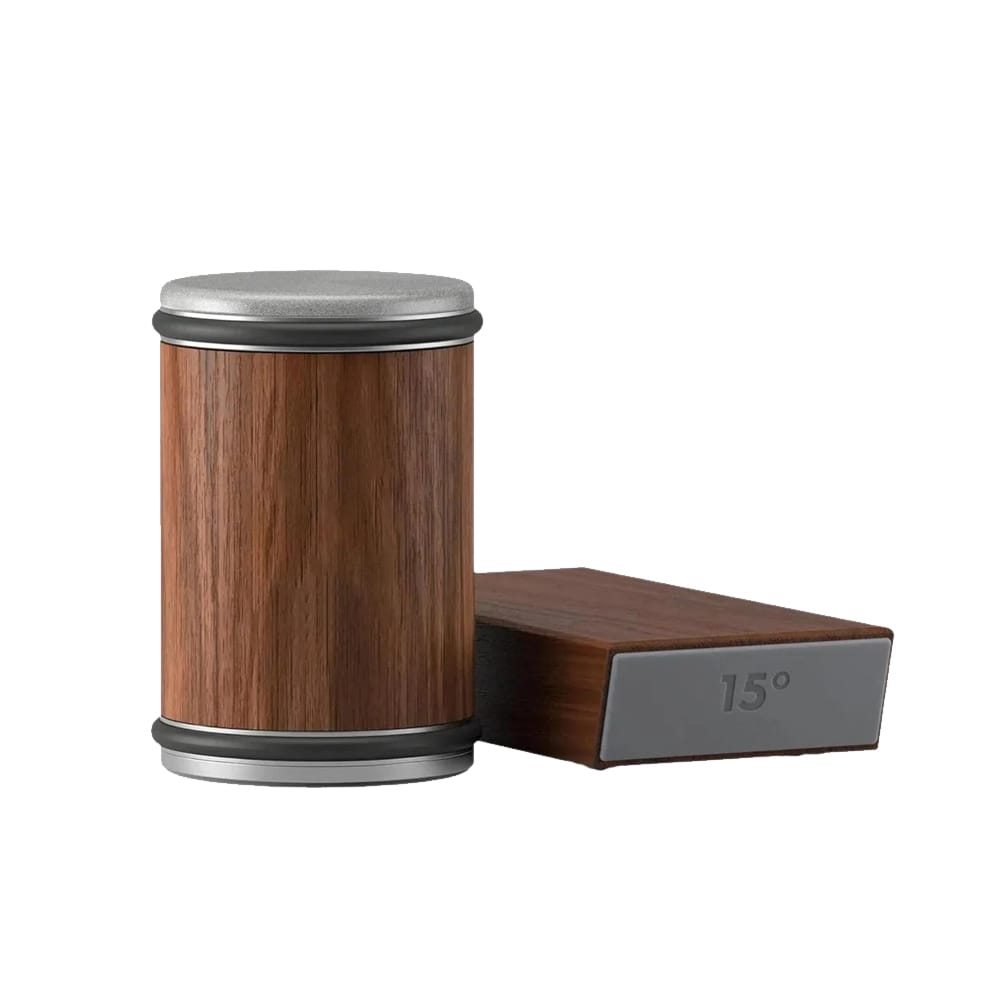
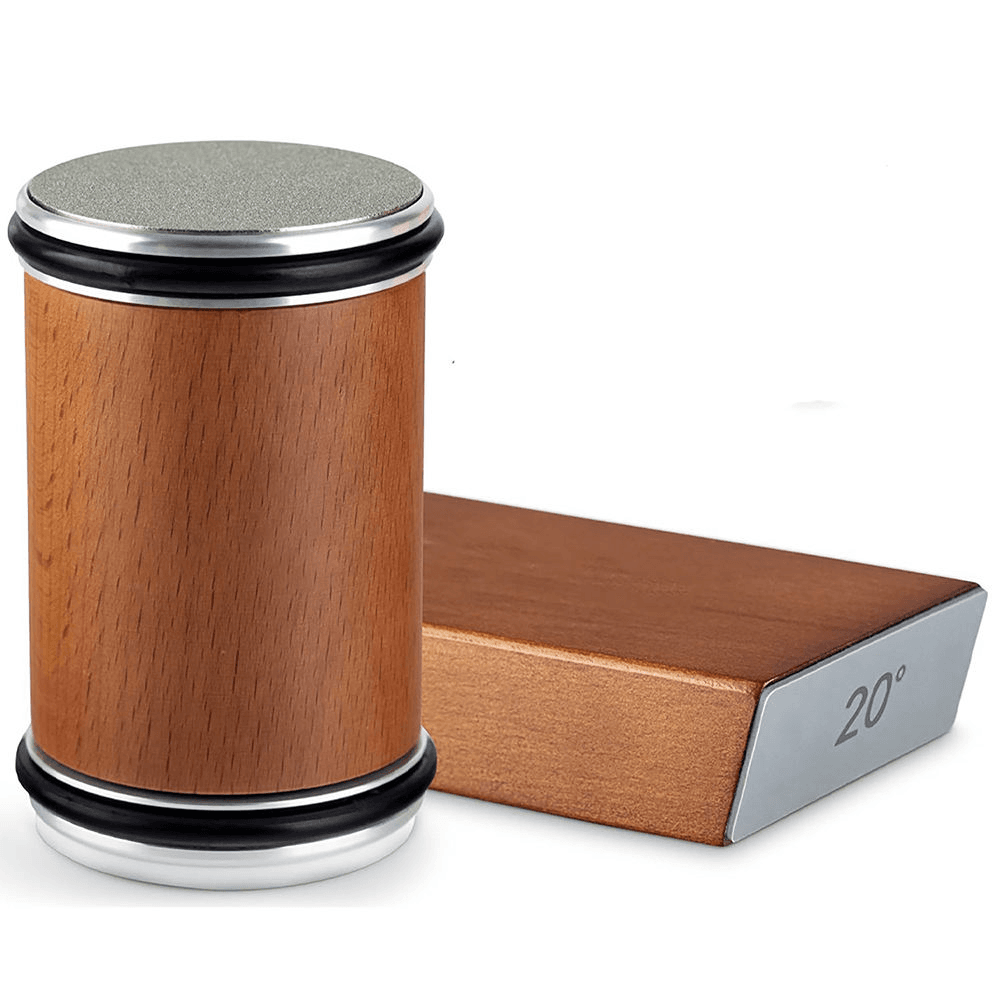
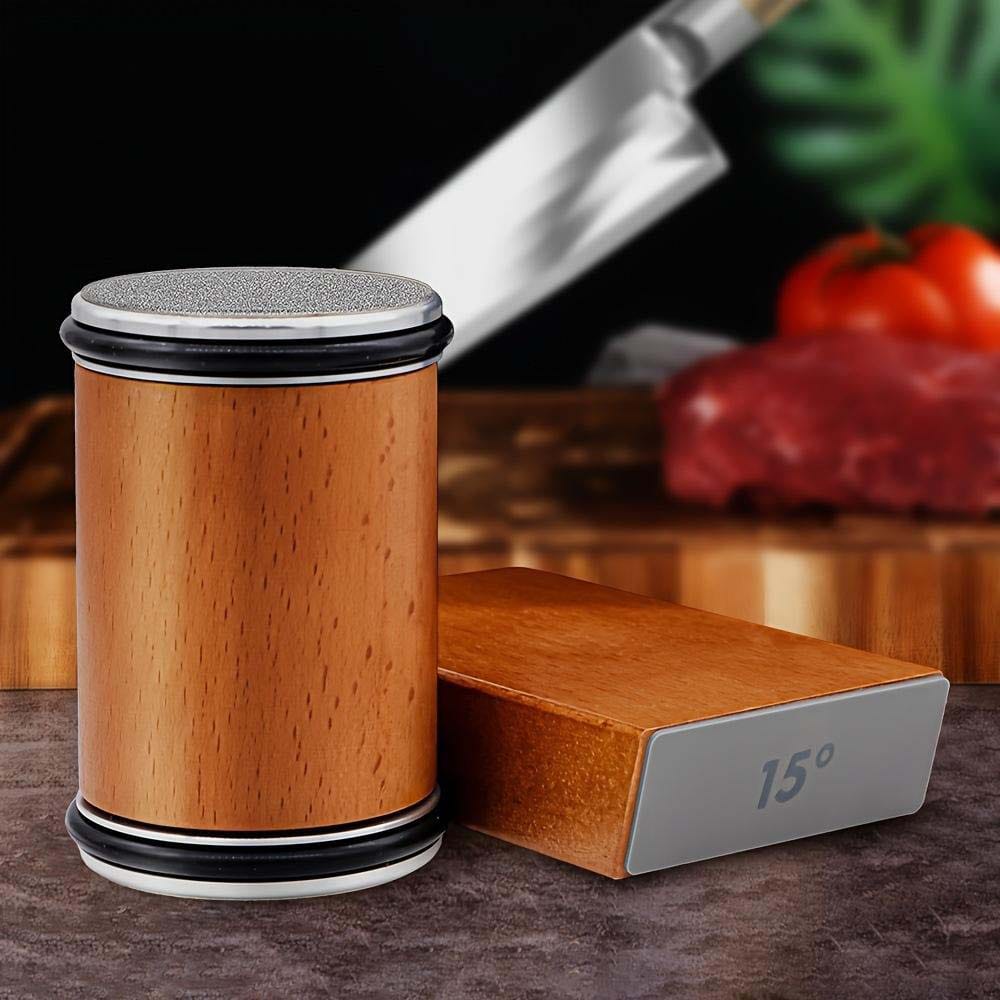
Rolling Knife Sharpener (Stainless Steel Ends) Wholesale OEM

Rolling Knife Sharpener Material Selection: Aluminum Alloy vs. Stainless Steel – A Manufacturer’s Objective Engineering Analysis

For any kitchen tool manufacturer, the choice of structural material is not merely aesthetic—it fundamentally determines product durability, user experience, manufacturing cost, and market positioning. In the rolling knife sharpener category, the chassis and structural components are typically fabricated from either aluminum alloy or stainless steel. Each material brings distinct engineering trade-offs that directly impact the user's sharpening experience.
Continue reading
Rolling Knife Sharpener Kit,with Diamond and Solid Wood of Chef Blade,Knives Sh main

Rolling Knife Sharpener: Material Science & Aluminum Alloy Design

From a manufacturing engineering standpoint, knife sharpening is not about "scraping metal away." It is a controlled material removal process aimed at reconstructing a precise, uniform micro-bevel along the cutting edge. The performance of any sharpening tool is determined by three interdependent factors: angle stability, abrasive material selection, and structural rigidity.
Continue reading
Professional rolling knife sharpener set with magnetic angle base and diamond rolling disc

How to Keep Kitchen Knives Razor-Sharp: The Evolution of Modern Knife Sharpening Technology

This article explores the mechanical causes of kitchen knife dulling and examines how modern dual-axis rolling sharpeners revolutionize blade maintenance through magnetic angle control and dual-abrasive technology. It highlights critical manufacturing considerations such as injection molding tolerances, magnetic retention, and DFM optimization. Furthermore, it showcases DAQIDA's comprehensive OEM/ODM manufacturing capabilities, leveraging advanced plastic injection molding and ISO 9001 quality standards to help global brands scale high-performance kitchen hardware lines efficiently.
Continue reading