




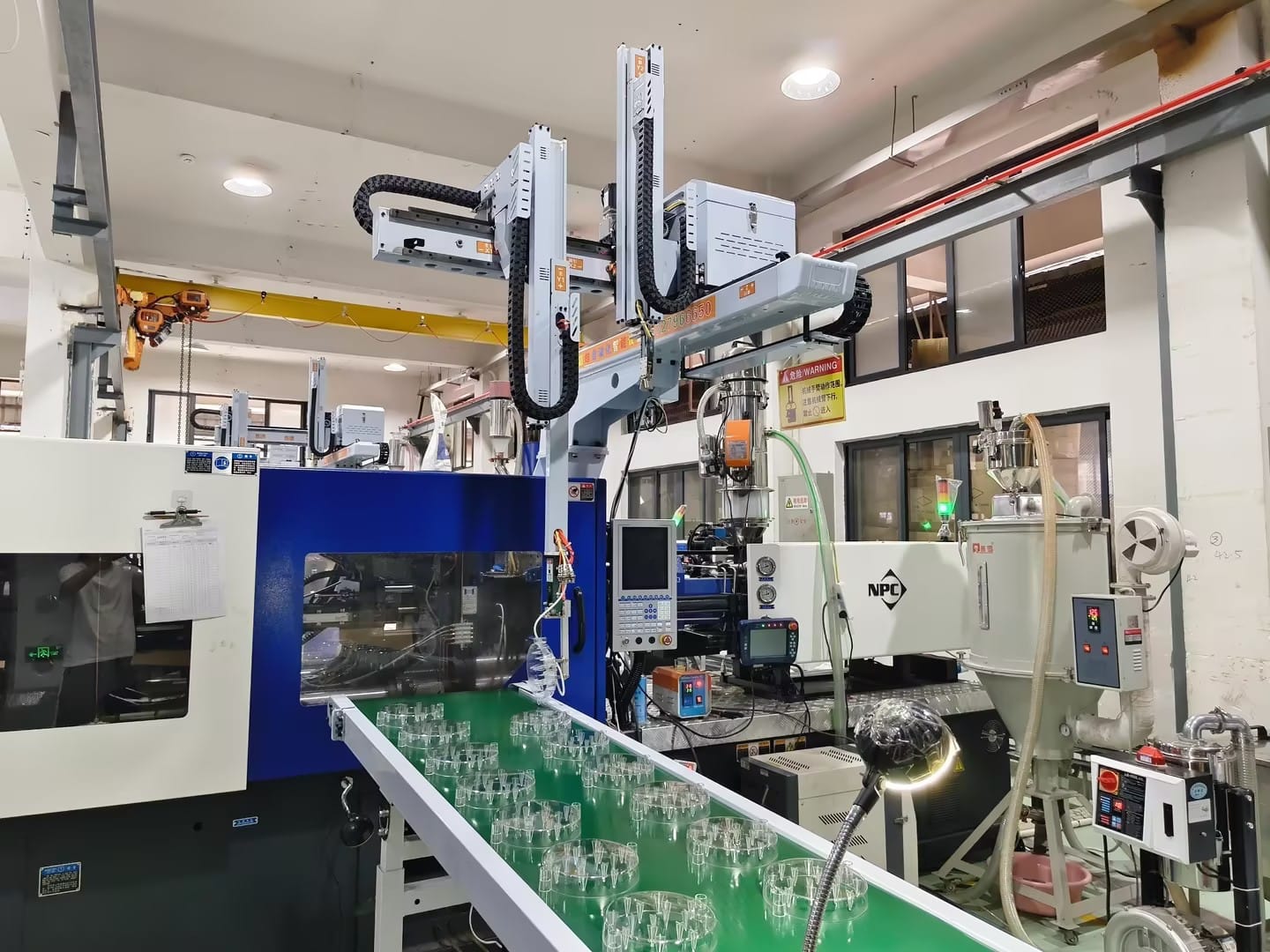
In plastic injection molding, it is not unusual to receive quotations that differ by a factor of three. More often than not, this gap does not reflect gouging—it reflects real differences in material selection, equipment, process control, and after-sales service.
For B2B buyers, the real cost of choosing the wrong mold supplier is rarely the upfront tooling expense. It is the hidden drain: frequent machine stoppages during mass production, slow yield ramp-ups, endless rework, and modification fees that eat into your margins over the life of the program.
Below are seven dimensions that I consider non-negotiable when qualifying a serious mold maker.
China's mold market has a high density of trading companies. These intermediaries typically add little technical value—just a 15–30% markup on the factory floor price. Spotting them is straightforward:
Do not rely on platform badges. Demand a live video factory audit. Request a real-time walkthrough or an on-site visit. If the supplier can only show you a showroom or office space, they are most likely a middleman.
A legitimate factory should be able to demonstrate:
Mold quality is determined before the first piece of steel is cut. A professional supplier does not just reply "we can do it"—they proactively deliver a detailed DFM (Design for Manufacturability) report and mold flow analysis.
Before signing any contract, I recommend scheduling a technical conference call where the lead tooling engineer—not a salesperson—participates. Validate their technical depth with questions like:
A supplier who can articulate these points clearly has real institutional knowledge.
This is one of the largest drivers of cost differences. The same mold design can vary by several multiples in price and lifespan depending on whether you use P20 or S136 steel. Watch out for steel substitution—some suppliers quote high-grade steel but use cheaper local equivalents during production.
Insist on material certificates and hardness test reports, and specify the testing standard explicitly in the purchase agreement.
Below is a reference table based on the SPI (Society of the Plastics Industry) standard classification, to help you match steel grade to your production volume:
| SPI Class | Expected Cavity Life (Shots) | Typical Steel Grade | Application |
|---|---|---|---|
| Class 101 | 1,000,000+ | H13 / S136 (hardened) | High-speed, high-volume production |
| Class 102 | 500,000 – 1,000,000 | H13 / P20 | Medium-volume runs |
| Class 103 | Below 500,000 | P20 (pre-hardened) | Low-to-medium volume, most common |
For medical, optical, or highly corrosive materials (e.g., glass-filled nylon), S136 is preferred due to its superior corrosion resistance and polishability. For high-temperature, long-life applications, choose H13.
During the NPI (New Product Introduction) phase, buyers face a strategic choice: start with soft tooling or go straight to hard tooling?
Soft tooling (typically aluminum or epoxy resin) is fast and low-cost—roughly 1/2 to 1/3 the upfront investment of steel tooling. T0 samples can be delivered in 2–4 weeks, making it ideal for design validation and low-volume pilot runs. However, lifespan is limited (a few hundred to ~10,000 shots), and it cannot handle abrasive or high-temperature materials like glass-filled resins or PEEK.
Hard tooling (tool steel) demands higher upfront investment and longer lead times, but delivers up to one million shots with a much lower per-part cost—suitable for stable, high-volume production.
Decision logic: If product design is not frozen or market demand is unproven, soft tooling is the wiser choice. If design is mature, orders are confirmed, and volume is high, proceed directly to hard tooling.
An ISO certificate is a starting point—not conclusive proof. You need to verify actual execution. The following indicators carry more weight than the certificate itself:
| Evaluation Item | Questions to Ask | What a Good Supplier Should Demonstrate |
|---|---|---|
| Inspection Equipment | Do they have in-house CMM, optical comparator, hardness tester? | Full in-house inspection, not outsourced |
| T1 Sample Validation | What dimensions and properties do they inspect on first articles? | Provide dimensional, appearance, and functional test reports |
| In-Process Control | How often are patrol inspections? How is non-conformance traced? | Standardized SOPs and digital traceability |
| Historical Yield Data | What are the production yield rates and mold downtime records on past projects? | Share concrete data, not vague assurances |
Warranty terms are another litmus test. Typical warranty periods are 6–12 months or up to 500,000 shots. Clarify the scope of coverage, exclusions, and response time for repairs. Build a warranty retention (suggest 10%) into the payment terms.
Standard mold delivery cycles range from 25 to 45 days. Be cautious of suppliers promising abnormally short timelines—this often indicates outsourcing or rushed work, which compromises quality.
Buyers should ask for a clear breakdown of each milestone: design → machining → trial molding → modification → final approval, and include delay penalties in the contract.
Capacity alignment also requires evaluating:
Reject lump-sum pricing. Demand an itemized quotation that at minimum includes: mold base, steel material, machining, heat treatment, inspection, trial molding, shipping, and taxes.
Be wary of quotes significantly below market average—you may be facing later surprises such as steel downgrades, mid-project change orders, or endless modification delays with no defined endpoint.
A recommended payment structure is: 30% deposit + 30% upon trial approval + 30% after production stabilization + 10% warranty retention. Staged payments give you leverage and prevent situations where issues are discovered after the mold is already in your hands with no recourse.
Final Thoughts: Choosing a mold maker is essentially choosing a long-term manufacturing partner, not a one-off vendor. Mold delivery marks the beginning of the relationship—post-production maintenance, repairs, and ongoing technical support are where the real partnership plays out. Instead of squeezing the price to the point where the supplier has no margin left, focus your due diligence on one core question: Does this supplier have the capability and commitment to support your product through its entire lifecycle?
🏭 DAQIDA Factory Qualification Certificates & Injection Molding Expertise
As a professional direct source factory, DAQIDA masters advanced plastic injection molding processes, DFM optimization, and strict production discipline backed by our official qualification certificates:
• Explore our full manufacturing capabilities via the DAQIDA Product Catalog ➔
Avoid common mass-production pitfalls like shrinkage and warping. Partner with DAQIDA for professional OEM and ODM manufacturing solutions built on precise DFM analysis, stable process control, and rigorous factory quality standards.
No account yet?
Create an Account