

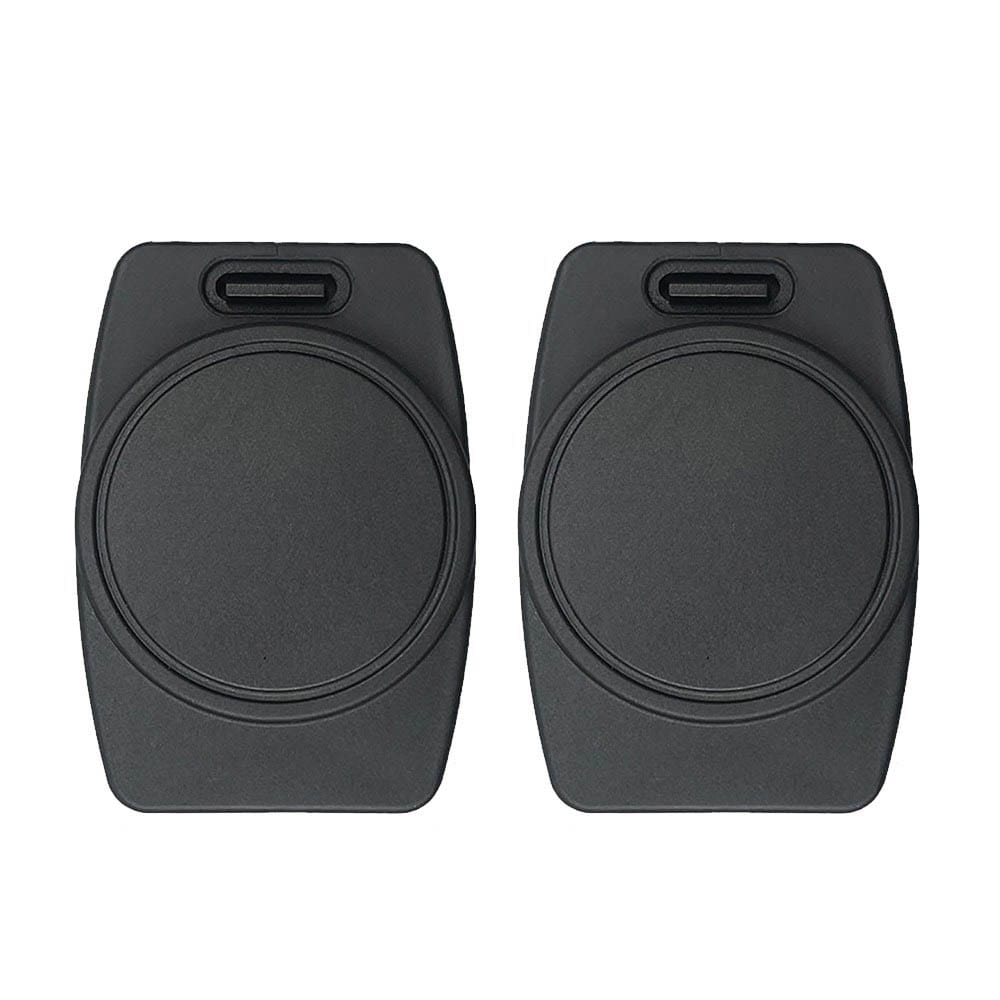
Seat Belt Extender: When You Need One & How to Choose
Table of Contents
- 1. What Is a Seat Belt Extender?
- 2. When You Actually Need a Seat Belt Extension
- 3. Are Seat Belt Extenders Safe?
- 4. Car Seat Belt Extender: Universal vs Vehicle-Specific
- 5. Seat Belt Buckle Types and How to Match Them
- 6. How to Choose a Car Seat Seatbelt Extender
- 7. How to Use a Seat Belt Extender Correctly
- 8. Seat Belt Clips: A Different Product Entirely
- 9. Seat Belt Replacement: When an Extender Isn’t the Answer
- 10. Children, Car Seats and Pregnancy
- 11. Standards: What an Extender Has to Meet
- 12. For Buyers, Sellers and Fleet Owners
- 13. FAQ
Seat Belt Extender Guide: When You Need One, What’s Safe, and How to Choose
A seat belt extender is a simple product, but people get a lot wrong about it. Some buy one for comfort, some use one to silence a warning chime, and some grab the cheapest universal one without checking what buckle their car has. This guide covers what the product does, when it’s the right call, and how to pick and use one so the belt still works the way it was designed to.
1. What Is a Seat Belt Extender?
A seat belt extender, also called a seat belt extension or safety belt extenders, is a short piece of webbing with a latch plate (tongue) at one end and a buckle at the other. It clicks into the car’s own buckle and adds length to the belt, usually 7 to 15 inches. It exists for one reason: the factory belt is too short for the person using it.
Most are made of the same type of webbing as the car’s belt, with metal hardware and a plastic housing. Some are rigid, with a stiff body that holds the buckle upright and is easier to find and fasten.
2. When You Actually Need a Seat Belt Extension
The honest list is short:
- The belt won’t reach across the body and buckle without being pulled so tight it’s unsafe or uncomfortable.
- You’re a larger person, and the belt fits at the start of the trip but not once you’re seated properly.
- A passenger has a medical device, brace or body shape that makes the standard length too short.
- The seat is a wide or high bench seat where the belt is routed farther than usual.
What doesn’t count: wanting a looser belt, wanting extra slack to move around, or wanting the warning chime to stop. A belt with slack doesn’t protect you the way a snug one does, and an extender used for comfort can leave the lap belt sitting in the wrong place.
3. Are Seat Belt Extenders Safe?
It depends on which one and how it’s used. A seat belt extension that is made for your vehicle, latches fully, and keeps the lap belt low across your hips is far better than a belt that doesn’t fasten at all. An ill-fitting one is a hazard.
The main concerns:
- Crash testing. Vehicles are tested with their own belts. An aftermarket extender adds a connection point and material that was never part of that test.
- Belt position. A longer belt can let the lap portion ride up onto the stomach instead of sitting on the pelvis. That’s where the risk of internal injury goes up.
- Pretensioners and load limiters. Modern belts are tuned for the factory length. Extra length can change how they behave.
- Latching. A buckle that clicks but isn’t fully engaged can release under load.
Because of this, vehicle manufacturers generally say to get the extender from them, and to use one only if you truly need it.
4. Car Seat Belt Extender: Universal vs Vehicle-Specific
You’ll see two kinds of car seat belt extender for sale.
Vehicle-specific (OEM). Made or approved by the carmaker for particular models. The part number is usually in the owner’s manual or available from the dealer. This is the route manufacturers and safety groups recommend first. Some brands don’t offer one, and some only supply them for certain models or years.
Universal. Sold as fitting most cars. Seat belt buckles vary a lot by brand, model, year and seat position, so “universal” really means it fits a lot of common buckle shapes. It doesn’t mean it has been tested with your car. If you buy one, match it carefully (see the next section) and read the instruction sheet, which should say whether it’s for universal use or for stated vehicles.
If your carmaker has an approved extender, use that. If not, a well-made universal one that fits your buckle exactly is the fallback, not the first choice.
5. Seat Belt Buckle Types and How to Match Them
Getting the buckle for seat belt right is the main thing that decides whether an extender works. Look at three parts of your car’s belt:
- The latch plate (tongue). Check its width, the shape of the opening, and whether it has a metal tab, a hole, or a notch. The extender’s buckle end must fit the car’s tongue.
- The car’s buckle (the receptacle). Some are push-button, some are flat, some are sideways. The extender’s latch plate must click in with a firm, clear sound, and the release must work normally.
- The belt and buckle location. Front seats, rear seats, and bench seats often use different hardware. An extender that works in the front may not fit the back.
A seat belt and buckle pair that clicks but wiggles or comes out with a light tug is the wrong match. Don’t use it. Pull firmly on the buckle after fastening every time.
6. How to Choose a Car Seat Seatbelt Extender
- Check compatibility first. Match the extender to your car’s make, model, year and seat. Ask the maker for a fit guide or take a photo of the tongue and buckle.
- Pick the shortest length that works. A 7-inch extender is usually better than a 12-inch one if both fit. Extra length means more slack.
- Look at the webbing. It should look and feel like the car’s own belt, with clean stitching and no fraying.
- Ask for test information. A seller should be able to tell you what the extender was tested against, such as FMVSS 209 or ECE R16, and what the breaking strength was. If they can’t, treat that as a warning.
- Check the latch. It should snap in firmly and release cleanly, with no looseness.
- Avoid fixed claims. “Fits every car” is not a claim anyone can back.
7. How to Use a Seat Belt Extender Correctly
- Fasten the extender to the car’s belt and buckle it. Listen for the click, then tug.
- Make sure the lap belt is low across the hips, not across the stomach.
- The shoulder belt goes across the chest and collarbone, not on the neck or under the arm.
- Remove slack. The belt should be snug.
- Make sure the extender isn’t twisted and the buckle isn’t sitting on a hard edge or against the seat.
- Check it before each trip, and look for damage regularly.
If the lap belt still rides up with the extender on, it’s the wrong length, the wrong seat position, or the wrong product. Don’t drive with it that way.
8. Seat Belt Clips: A Different Product Entirely
Searches for seat belt clip, seat belt clips, seatbelt clip and safety belt clips cover several unrelated products, and the differences matter.
- Chime-silencing clips. A metal tongue that goes into the buckle to switch off the warning without a belt being worn. These disable a safety feature, and they leave the person unprotected. They’re not an extender and we don’t recommend them.
- Belt-positioning clips. Small clips meant to pull the belt away from the neck. Aftermarket versions can change how the belt sits on the body in a crash, so treat them cautiously.
- Child seat chest clips. These are part of a child restraint and are used according to that seat’s manual.
- Belt stoppers and tidy clips. Hold a belt in place when not in use, and are harmless if they don’t interfere with the belt when worn.
If you’re looking for a longer belt, you want an extender, not a clip.
9. Seat Belt Replacement: When an Extender Isn’t the Answer
Sometimes the right move is a new belt, not an add-on. Consider seat belt replacement when:
- the webbing is frayed, cut, stiff, faded or stretched
- the belt doesn’t retract smoothly or won’t lock when pulled sharply
- the buckle is cracked, sticky or doesn’t latch
- the car has been in a crash (belts that took crash loads should be replaced)
- the auto safety belt warning light stays on
For belt replacement, use parts specified for your vehicle and have them fitted by someone who knows the system, because the belt and its anchorage work together. The same goes for any safety belt for car or seat belt for automobiles sold as a “universal replacement.”
10. Children, Car Seats and Pregnancy
- Children and car seats. Don’t use an extender with a child restraint or booster unless the car seat and vehicle manuals both permit it. NHTSA and the child passenger safety community advise against adding aftermarket products to a child restraint, because they may change how it performs in a crash.
- Pregnancy. The belt has to stay low under the belly, across the hips. An extender is only worth considering if the belt won’t fasten at all, and even then, talk to the carmaker’s dealer first. It shouldn’t be used to make the belt looser over the belly.
- Back seats, taxis and rideshares. The same rules apply. If a belt doesn’t reach, ask the driver for a different seat instead of improvising.
11. Standards: What an Extender Has to Meet
Seat belts have to meet strength and performance standards, such as FMVSS 209 in the US and ECE R16 in Europe. An extender, though, is an accessory, and rules for it vary by country. NHTSA has said it has authority over all motor vehicle equipment, including extenders, and that equipment must be free of safety-related defects.
In practice, “meets the standard” on a product page isn’t enough. Ask what it was tested to, on what equipment, and whether the test covered the whole assembly (webbing, stitching, latch plate and buckle), not just the webbing.
12. For Buyers, Sellers and Fleet Owners
We’re a plastic injection molding factory (DAQIDA), and buyers ask us about this category, so here’s what we’d want a buyer to check:
- Fit range. Which buckles and tongues does it work with? A fit chart is better than “universal.”
- Test records. Strength tests, latch cycle tests and the standard used.
- Material and finish. Webbing, metal hardware, and the plastic housing. Mold quality shows in how cleanly the latch seats.
- Clear labeling. Instructions should say what vehicles it suits, what it isn’t for (child seats, chime bypass), and how to check fit.
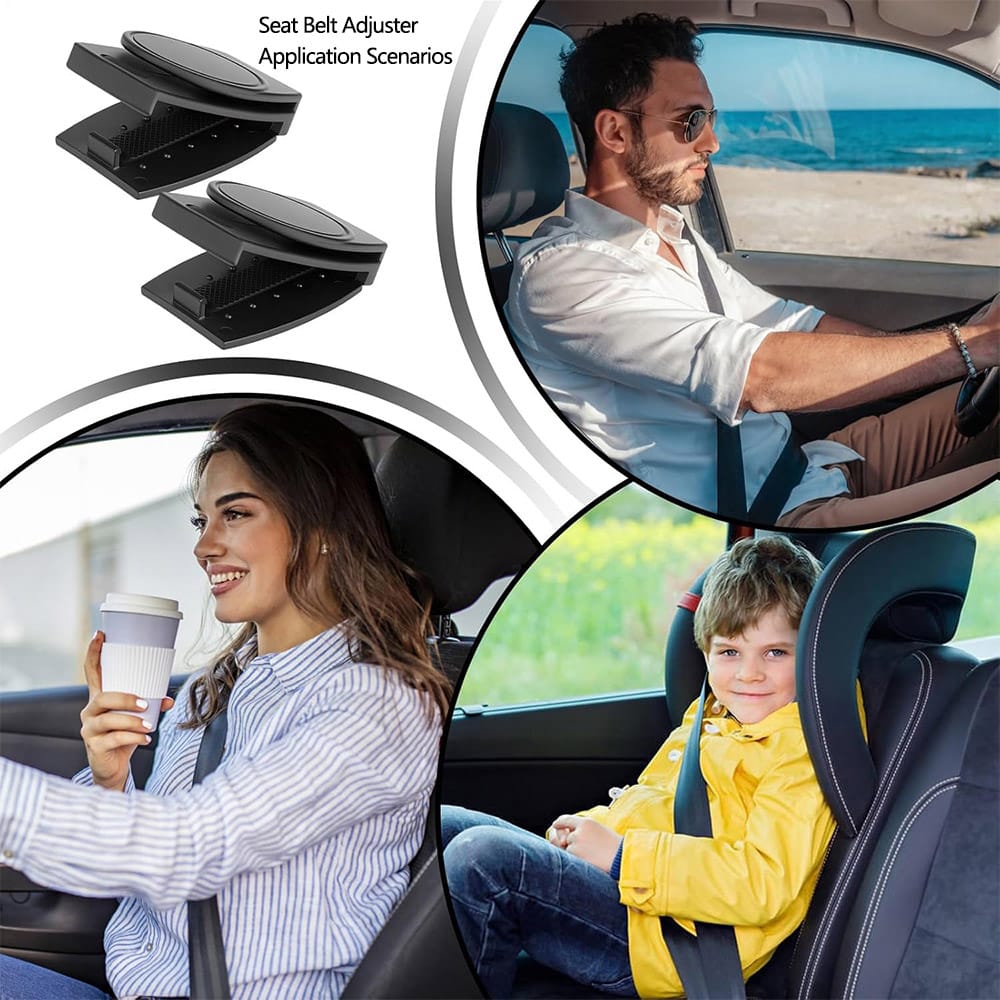
- Custom options. Length, color, logo and packaging can be customized. Our ready-stock MOQ is 100 pcs, and OEM/ODM is 1,000 pcs. You can see our Seat Belt Adjuster here.
If you sell these, put the compatibility information on the listing. It cuts returns and protects you if something goes wrong.
13. FAQ
What is a seat belt extender used for?
It adds length to a car’s seat belt when the standard belt is too short to fasten properly. Use it only if you really need the extra length.
Are seat belt extenders safe?
They can be, when they’re vehicle-compatible, latch fully and keep the lap belt low on the hips. Ones that don’t fit, or that let the belt ride up, are not.
Are universal seat belt extenders okay?
They’re a fallback. Carmakers recommend their own model-specific extenders first. If you use a universal one, match the tongue and buckle exactly and check that it latches securely.
How do I know which seat belt extender fits my car?
Look at the tongue and buckle, check your owner’s manual for a part number, and ask the dealer or the extender’s maker for a fit guide. Always test the latch with a firm tug.
How long should a seat belt extender be?
As short as you can get away with. 7 inches fits many people. Longer ones add slack and make correct belt position harder.
Can I use a seat belt clip to stop the car beeping?
We’d advise against it. Those clips defeat the belt warning without anyone wearing the belt. If you need a longer belt, use an extender.
Can I use an extender with a car seat or booster?
Not unless both the car seat’s manual and the vehicle’s manual allow it. Safety groups advise against adding aftermarket parts to child restraints.
Can I use an extender while pregnant?
Only if the belt won’t fasten otherwise, and ask your dealer first. The lap belt has to stay low across the hips, under the belly.