
Meta Description: Discover 2026 sourcing trends for plastic mold injection, covering tooling control, DFM analysis, MOQ, lead times, and supplier evaluation criteria for global OEM/ODM buyers.
The global plastic injection molding market continues to grow steadily, but the way international buyers source manufacturers is changing fast. Based on Volza 2026 trade data for HS 847710, the molding injection plastic sector currently serves 4,754 active buyers across 75 import countries, recording more than 17,754 shipment transactions throughout the year. While market demand keeps rising, supplier competition has become far more technical than before. In 2026, plastic mold injection procurement is no longer about finding the lowest price. Global OEM and ODM buyers now focus on real engineering support, full in-house tooling control, professional DFM analysis, stable production output, and consistent batch quality. In particular, side action injection molding — the specialized process for undercuts, side holes, and complex plastic geometries — has become a key benchmark to judge a manufacturer’s true technical capacity.
Low-cost molding injection plastic parts often lead to higher long-term costs caused by delayed delivery, failed product testing, or unstable quality. Modern buyers calculate overall project cost, including tooling depreciation, material stability, defect rates, and how quickly a supplier can adjust design changes. A cheap plastic mold injection quote means very little if it requires extra weeks of repeated engineering communication. The most affordable mold rarely delivers the most stable mass production results, which is why experienced buyers prioritize project reliability over initial pricing. Beyond industrial manufacturing, this precision in plastic tooling also ensures high durability for everyday consumer goods, such as producing a structured The Pasta/Noodle Fork with consistent quality.
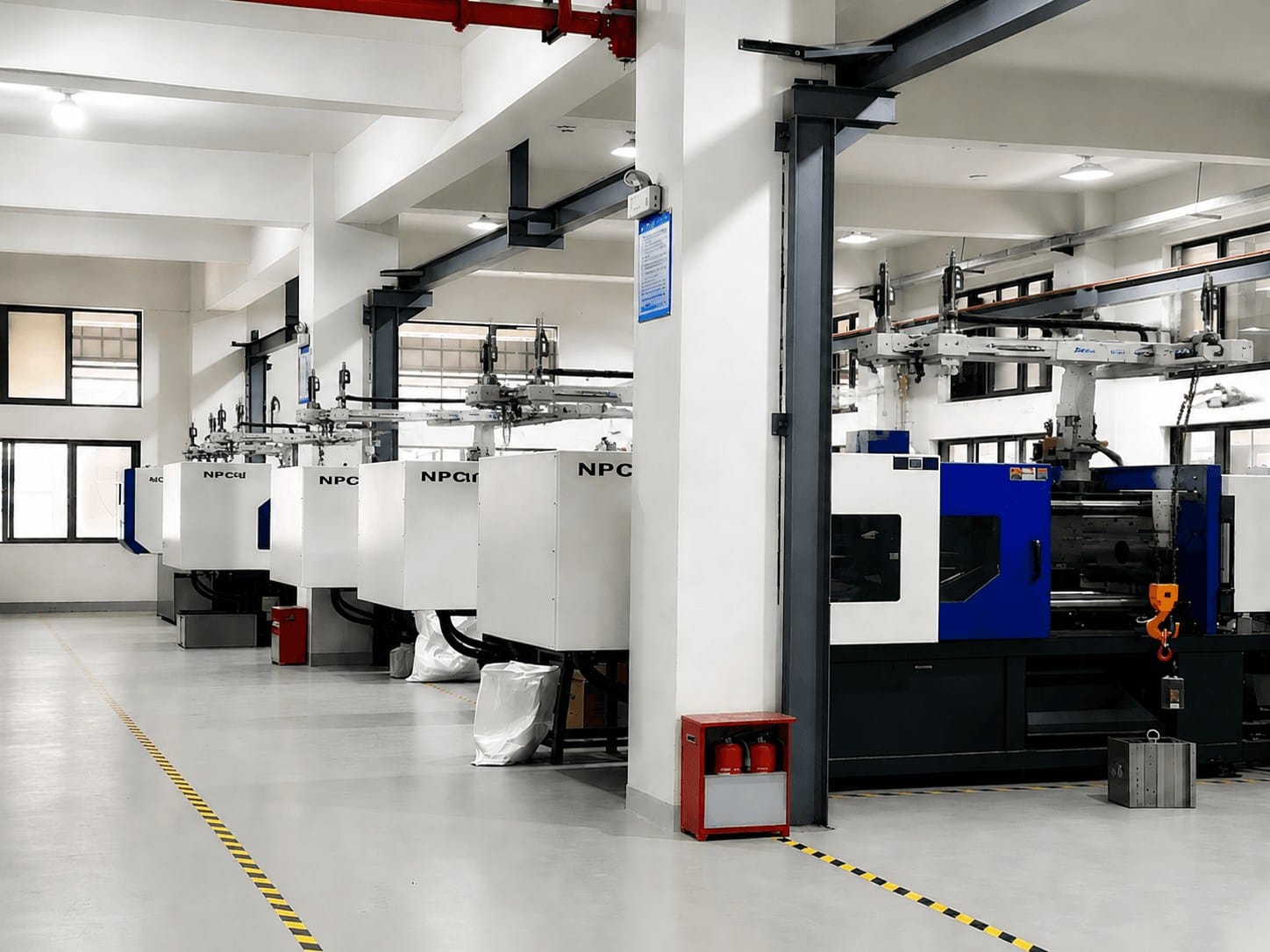
More international buyers now specifically check whether a supplier completes mold design, CNC machining, EDM processing, and mold assembly in-house. Internal tooling capability significantly shortens the cycle from DFM review to first sample delivery. This advantage becomes even more critical for side action injection molding projects. Sliders, cams, and lifter mechanisms used in side action structures demand extremely precise fitting and accurate movement timing. Suppliers that outsource mold production create extra communication layers and longer iteration times — a major weakness in 2026’s fast-paced product launch environment.
Effective DFM evaluation must be completed before any steel cutting work begins. A detailed DFM check covers draft angles, uniform wall thickness, gate positioning, parting line layout, undercut handling, and potential sink mark risks. For plastic mold injection projects requiring side action injection molding, the quantity and complexity of sliding structures directly impact tooling cost, mold lifespan, and production cycle time. Reliable molding injection plastic suppliers always provide clear DFM feedback and marked-up 3D design suggestions. Any supplier offering a formal quote without professional DFM commentary lacks practical engineering capability. This level of design precision is equally vital when developing complex housings for consumer tools like Anti-Motion Sickness Glasses.
ISO 9001 certification has become a basic industry requirement rather than a competitive edge. Buyers today verify whether a supplier’s certification scope truly covers molding injection plastic manufacturing, not just product trading. For automotive-related plastic parts, IATF 16949 and standardized PPAP processes are essential. Medical-grade plastic components require ISO 13485 certification to ensure strict process control. Serious buyers will request control plans and PPAP documents within a short timeframe, especially for complex side action injection molding projects that demand higher production stability and safety compliance.
MOQ requirements are largely determined by tooling investment amortization. Aluminum prototype molds usually support trial orders between 100 to 500 units, while hardened steel production molds fit batch orders of 1,000 to 10,000 units or more. Standard single-cavity plastic mold injection molds take 4 to 8 weeks for completion. Complex multi-cavity molds with side action injection molding mechanisms generally take 8 to 16 weeks or longer. Experienced buyers understand that project speed depends heavily on feedback efficiency, so they set clear 24–48 hour review timelines to avoid unnecessary delays.
Most global buyers now want flexible, customizable manufacturing solutions covering concept design, product optimization, prototyping, tooling development, and full-scale mass production. Instead of simply asking if a factory provides OEM or ODM services, professional buyers focus on what technical value a supplier can deliver throughout the whole project. For complicated plastic mold injection orders that require both product redesign and structural optimization, suppliers with flexible OEM/ODM capabilities can better meet personalized market demands. Whether launching industrial components or household items like a Washable Reusable Lint Remover Ball, end-to-end support ensures smooth scaling from prototype to high-volume output.
| Buyer Question | Why It Matters |
|---|---|
| Do you have complete in-house tooling capacity? | Determines engineering speed, revision efficiency and mold quality control |
| What plastic materials can you process? | Decides product performance, durability and application scenarios |
| What certifications do you hold, and what is the scope? | Confirms market compliance and product qualification |
| Can you provide detailed DFM reports before tooling? | Reduces redesign risk, saves cost and shortens lead time |
| What is your actual MOQ for trial and bulk orders? | Helps buyers arrange budget and market testing plans |
| What is your realistic T1 sample lead time? | Supports accurate product launch scheduling |
| Do you support flexible OEM and ODM customization? | Defines product personalization depth |
| How do you handle complex side action injection molding structures? | Verifies capability for sophisticated plastic part manufacturing |
| Can you provide complete production process data? | Ensures full quality transparency and batch consistency |
The 2026 plastic mold injection market favors suppliers with solid technical strength and stable overall project capabilities, rather than those offering the lowest prices. Successful sourcing depends on evaluating the entire manufacturing program instead of focusing solely on initial quotations. Buyers now prioritize total cost control, professional DFM risk assessment, and reliable engineering response. For OEM/ODM manufacturers, core competitiveness no longer lies in simple molding injection plastic production. The real advantage is owning full in-house tooling, independent engineering support, strict quality control, and mature technical solutions for complex side action injection molding projects — the key trend that will dominate global plastic manufacturing sourcing throughout 2026.
🏭 DAQIDA Factory Qualification Certificates & Injection Molding Expertise
As a professional direct source factory, DAQIDA masters advanced plastic injection molding processes, DFM optimization, and strict production discipline backed by our official qualification certificates:
• Explore our full manufacturing capabilities via the DAQIDA Product Catalog ➔
Avoid common mass-production pitfalls like shrinkage and warping. Partner with DAQIDA for professional OEM and ODM manufacturing solutions built on precise DFM analysis, stable process control, and rigorous factory quality standards.
No account yet?
Create an Account