Complete Guide to Bulk Sourcing Plastic Kitchenware
Complete Guide to Bulk Sourcing Plastic Kitchenware
Bulk sourcing plastic kitchenware is a systematic process involving supplier screening, quality control, cost optimization, and compliance management. For retailers, catering chains, e-commerce brands, and distributors, mastering the right procurement methodology is crucial. This article provides a comprehensive, operational-level guide to the entire process of sourcing plastic kitchenware in bulk.
1. Defining Procurement Needs and Product Specifications
Before searching for suppliers, it is essential to clearly define your procurement needs. This includes:
Product Type: Are you sourcing disposable tableware (knives, forks, spoons, plates, bowls), or reusable kitchen storage containers ➔ and prep tools? Different types of plastic kitchenware require distinct production molds and material formulations.
Material Selection: The base material of plastic kitchenware directly impacts performance and safety. Polypropylene (PP) offers excellent heat resistance (up to 120°C), making it suitable for hot food and commercial kitchen environments; Polystyrene (PS) is low-cost and rigid, but has lower heat resistance; PET is ideal for food storage containers. Always ensure materials comply with food contact safety standards.
Compliance Requirements: Different markets have different safety standards. Exporting to the United States requires compliance with FDA 21 CFR standards ↗, while exporting to Europe requires EU Regulation No 10/2011 ↗. Plastic products should include a BPA-free declaration. Understanding target market regulations in advance greatly increases efficiency when screening suppliers.
Packaging and Branding: Do you need customized logos, specific colors (Pantone color matching), retail packaging, or bulk packaging? These all affect costs and minimum order quantities (MOQs).
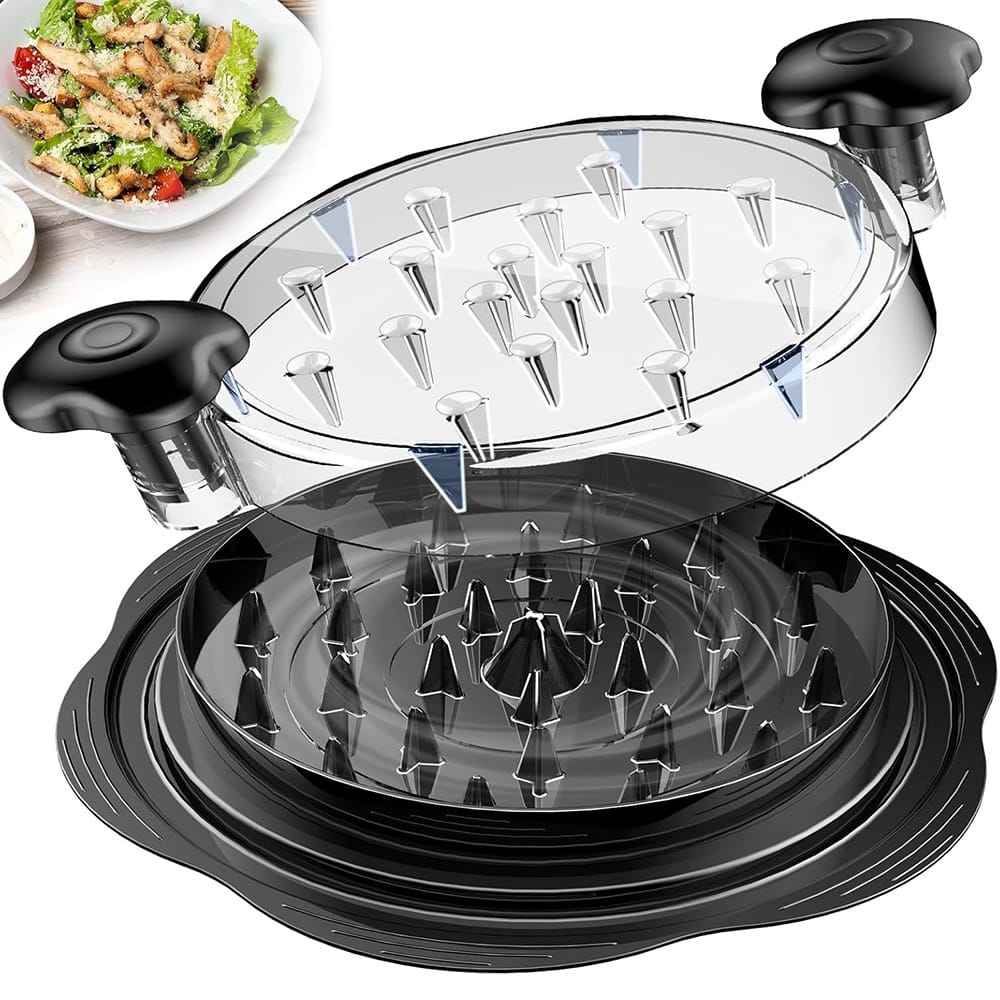
Precision-manufactured plastic kitchenware ready for bulk export.
2. Selecting the Right Supplier
2.1 Factory vs. Trading Company
Prioritize direct manufacturers over trading companies to ensure better control over quality and communication. Direct factories typically offer lower prices and more direct production control, but may require higher MOQs.
Verify whether a supplier is a genuine factory by checking for physical factory addresses, business licenses, and export history. Reputable manufacturers usually own independent facilities, dedicated R&D teams, and modern equipment.
2.2 Major Manufacturing Clusters in China
China is the world's primary production base for plastic kitchenware. Understanding regional industrial characteristics helps match with the right suppliers:
Zhejiang Province (Taizhou, Ningbo, Yiwu): A massive production hub with highly integrated supply chains, ideal for large-scale procurement and private-label manufacturing. Factories in Zhejiang typically feature 24/7 automated production lines with monthly capacities exceeding 500,000 units.
Guangdong Province (Shenzhen, Foshan, Guangzhou): An export-oriented manufacturing hub specializing in rapid prototyping, design customization, and proximity to international ports.
Jiangsu and Fujian Provinces: Focus on mid-to-large-scale manufacturing combined with rigorous quality control, ideal for buyers seeking high product consistency.
2.3 Key Metrics for Supplier Evaluation
Never rely solely on unit prices; comprehensively evaluate the following metrics:
On-Time Delivery Rate: ≥95% is preferred; 100% indicates strong internal scheduling and logistics coordination.
Response Time: ≤2-4 hours indicates a dedicated sales team and efficient communication systems.
Repeat Order Rate: High repeat rates reflect customer satisfaction.
Minimum Order Quantity (MOQ): Varies significantly among suppliers—some large manufacturers require 50,000 to 100,000 units, while others accept 100-piece trial orders. Choose an MOQ that fits your business scale.
3. Sample Testing and Quality Verification
This is the most critical step and should never be skipped.
3.1 Requesting Physical Samples
Before placing a large order, always request pre-production samples. Focus your evaluation on structural rigidity, edge smoothness, color accuracy, stackability, and drop tests. Explore our heat-resistant utensils collection ➔ to see examples of premium production standards.
3.2 Verifying Compliance Documents
Require suppliers to provide Certificates of Compliance (CoC), migration test reports, heavy metal content testing (such as lead and cadmium), BPA-free declarations, and FDA or LFGB compliance documents.
4. Negotiation and Ordering
Exercise thorough risk management across payment terms, MOQ negotiations, mold fees, cost optimization, and contract/quality clauses. Choose suppliers close to ports to lower logistics costs, and optimize product design for nesting to maximize container space utilization.
5. Common Pitfalls and Risk Warnings
Pitfall 1: Focusing only on unit price. The lowest unit price often comes with low-quality materials, unstable delivery schedules, or poor after-sales service.
Pitfall 2: Skipping sample testing. This is the most expensive mistake—a batch of substandard products can ruin a brand's reputation.
Pitfall 3: Ignoring compliance requirements. Products lacking FDA or LFGB certification may be detained by customs or banned in target markets.
🚀 Looking for a Reliable Source Manufacturer for Plastic Kitchenware?
DAQIDA specializes in high-quality plastic kitchenware manufacturing, featuring advanced injection molding lines and a rigorous food-grade material supply chain. We provide one-stop OEM/ODM customization services, guiding you seamlessly from mold development to bulk delivery.